

An emergency plan has to work for you
An emergency plan has to work for the person using it. A ride that can’t carry your mobility device isn’t a backup plan. Neither is an alert you can’t access.
Today I’m looking at practical disability-inclusive preparedness: trusted contacts, accessible transportation, communication needs and backup power for assistive devices. Ready.gov’s guidance starts with daily needs and a support network that knows the plan.
At noon, I’ll share a fuller guide to the questions worth asking before an emergency—not promises that one checklist can solve every barrier. Planning should support our independence and dignity.
This is evergreen preparedness information, not an emergency alert. Follow local officials for current conditions.
https://www.ready.gov/sites/default/files/2023-05/ready.gov_disabilities_bookmark_front-back.pdf
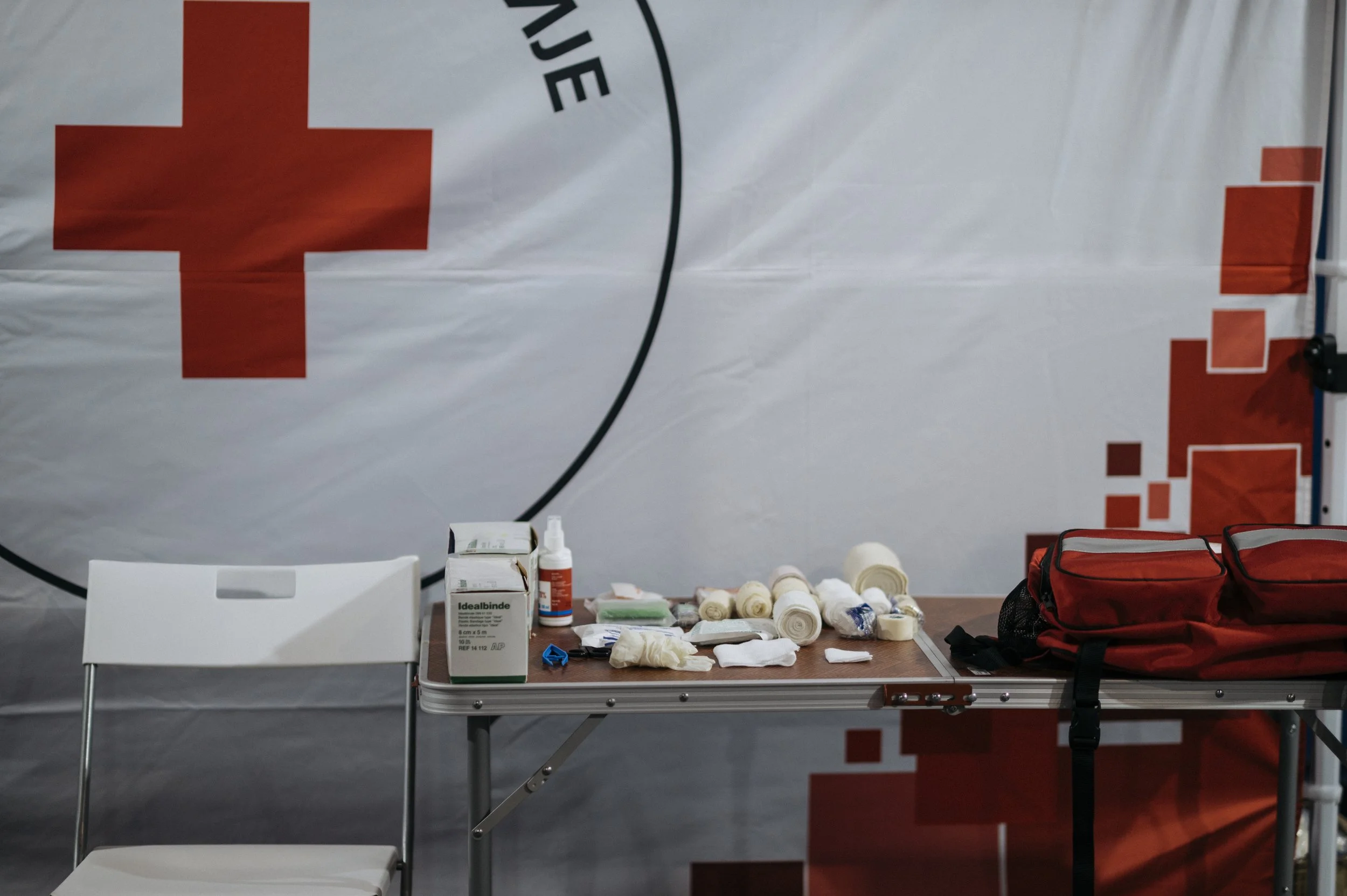
Illustrative photo, April 26, 2026: first-aid supplies at a Red Cross community event. Nenad Stojković (Shixart1985) / Wikimedia Commons, CC BY 2.0. Not a current emergency or endorsement.

https://creativecommons.org/licenses/by/2.0/
Update: Read the full guide—An emergency plan should protect your independence.