

A museum day should leave room for curiosity
September 26, 2026
A museum day should leave you thinking about what you saw, learned or argued about over lunch. Access planning shouldn’t swallow the whole experience before you’ve even reached the door.
This morning, I pointed to the Smithsonian’s visitor resources. Here’s the practical follow-through: start with the museum you actually want to visit, then build a plan around your own priorities. This is an evergreen planning guide, checked today—not an announcement of a new event.
Start with one place and one thing you want to enjoy
Pick an exhibition, object or activity that makes the trip worthwhile to you. Put that near the beginning of your plan. You don’t have to cover an entire building to have a good visit, and nobody needs to earn a break by finishing another gallery.
The Smithsonian’s central accessibility page links to individual museums. Use it as a starting point, then check the hosting museum’s current information. A broad statement about accessibility won’t tell you everything about a particular entrance, room or program.
Official starting point: https://www.si.edu/visit/accessibility
Plan the route all the way to the entrance
Think beyond the address. Where will you arrive, which entrance will you use, and what happens between those two points? Save the relevant map before leaving. If you’re meeting someone, agree on a specific place rather than “outside the museum.”
The National Museum of Natural History provides a useful example. Its access page says its entrances and exits have stair-free access, and directs transit users to Metro’s current information about elevator outages. It also notes that the Smithsonian doesn’t provide parking, although designated accessible spaces exist around the National Mall.
That’s why checking the travel route matters as much as checking the building. A route that works on paper may need adjusting on the day. Leave room in the plan for that adjustment without treating it as your failure.
Museum-specific information: https://naturalhistory.si.edu/visit/accessibility
Ask about the support that makes the visit work
The Smithsonian says access services for public programs can be arranged through the hosting museum in advance. It appreciates two weeks’ notice for sign-language interpretation and tactile or verbal-description tours. Check the particular program rather than assuming a service is automatically booked.
A useful request can be short: name the date and program, explain the access support you’re requesting, and ask who will confirm the arrangement. Keep the reply somewhere easy to find. This isn’t a script you have to perform perfectly; it’s a way to make the practical details clear.
If a wheelchair loan is part of your plan, check its limits. Smithsonian manual loans are first-come, first-served, can’t be reserved and stay within the lending building. They aren’t a guaranteed way to travel between museums.
Look at the sensory information before deciding your pace
The Smithsonian points visitors toward pre-visit materials including sensory maps, social narratives and videos. Those can help turn an unfamiliar space into something more predictable. Review whichever format is useful to you; you don’t need to work through every resource.
Then make your own small plan: what you most want to see, where you might pause, and what you’ll do if the environment becomes too much. If you use headphones or other familiar equipment, include it in the packing list. An earlier exit can be a sensible choice, not a failed outing.
Pre-visit materials: https://access.si.edu/pre-visit-materials
Check the details that don’t fit on a headline
At Natural History, the access page identifies family and companion-care restrooms on the first floor off the Rotunda via the Sant Ocean Hall. It describes captioned exhibition videos, induction loops in specified locations, and described tours that require advance notice and depend on volunteer availability.
That level of detail is useful. Before leaving, check the museum’s current hours, any admission or reservation requirements for your chosen activity, and the service information you’re relying on. Don’t assume a listed program is running on your preferred date.
I want cultural spaces to welcome people with useful information and dependable support. Planning can reduce uncertainty, but it shouldn’t become an excuse to put every access problem on the visitor. We deserve time for curiosity, enjoyment and our own opinions about what’s on display.
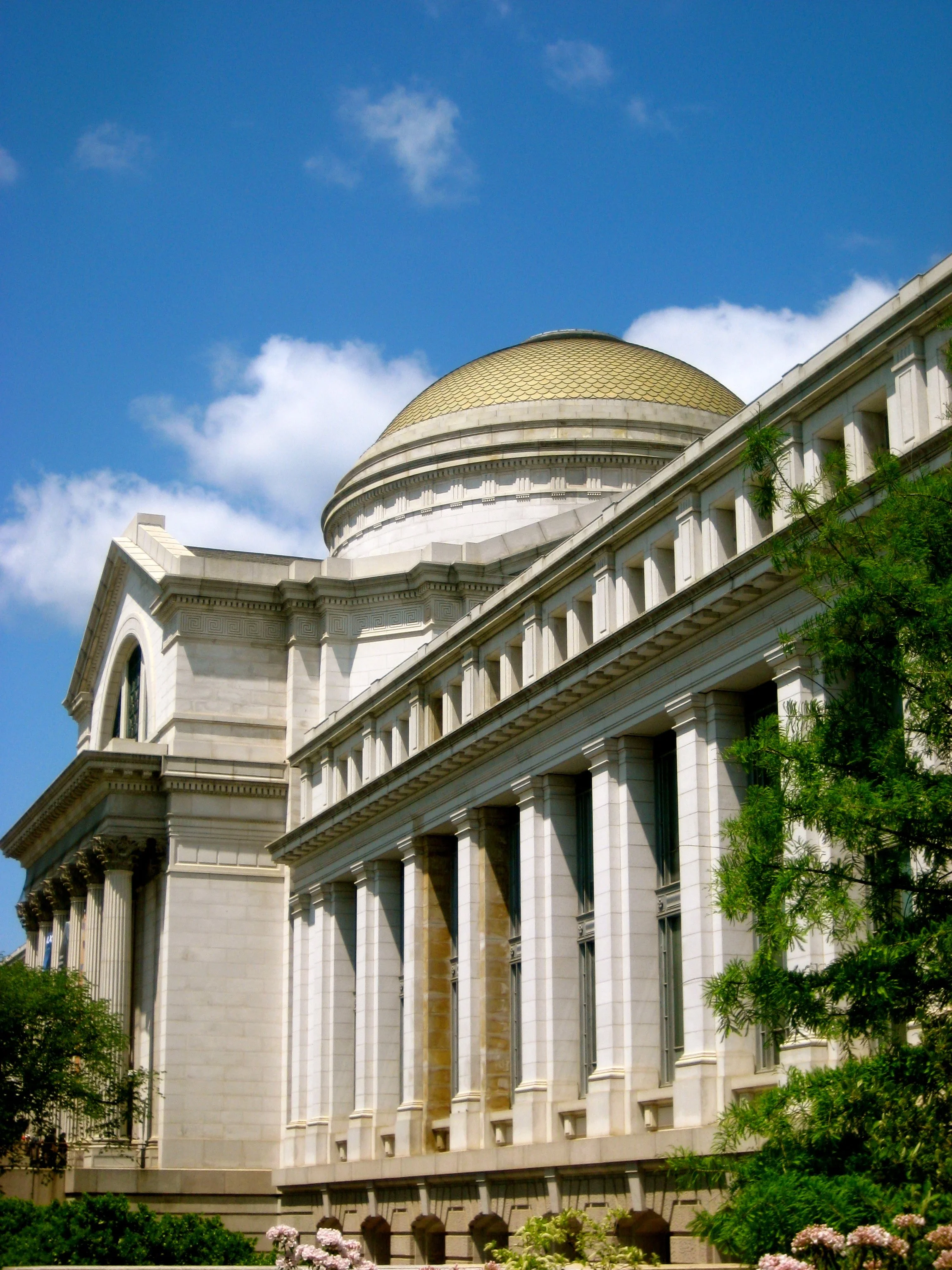
Archival contextual photo: Melizabethi123, April 2, 2009, CC BY-SA 3.0. Cropped displays remain under the same license. This photograph is not evidence of current entrance conditions.
Photo/source: https://commons.wikimedia.org/wiki/File:Smithsonian-Museum_of_Natural_History.jpg
License: https://creativecommons.org/licenses/by-sa/3.0/
