

Information
within reach.
A clear starting point for disabled people, LGBTQ+ people, families, caregivers, and allies seeking accessible information, practical assistance, and community connections.
How to use this resource hub.
A phone number is only a starting point. These short guides explain how to prepare, what to ask, and how to protect your time and privacy when you contact a program.
When a place is not accessible
- Write down the date, location, and specific barrier. Photos can help when it is safe and permitted to take them.
- Ask for the manager, accessibility coordinator, or ADA contact—not only the front desk.
- Describe the access you need and ask for a clear response in writing.
- If the problem is not resolved, use the ADA Information Line or a local disability-rights organization to understand possible next steps.
Before applying for assistance
- Gather identification, proof of address, income or benefit letters, and the bill or notice you need help with.
- Ask whether help is one-time or recurring, whether funds are currently available, and what deadline applies.
- Request an application number or the name of the person who helped you.
- If you are denied, ask whether there is an appeal, waitlist, or another program that uses the same application.
Getting food that works for you
- Call 211 or a pantry before traveling; hours and supplies can change.
- Ask about identification, ZIP-code, residency, or referral requirements.
- Tell the provider about wheelchair access, delivery needs, allergies, texture needs, or medically necessary diets.
- Ask whether you may designate another person to pick up food for you.
Choose the kind of support you want
- For immediate danger, call 911. For a mental-health or suicide crisis, call or text 988.
- Before sharing personal details, ask whether the service is confidential and whether calls, texts, or chats are stored.
- Say what you need: crisis support, a listening ear, shelter, legal information, healthcare, or a local referral.
- If a service does not respect your name, pronouns, disability, or communication needs, you may end the contact and try another listed option.
A five-minute preparation checklist
Write down the problem, the help you are requesting, your deadline, the accommodations you need, and the best way to contact you. Keep notes after each call: organization, date, person, reference number, and promised next step. Never send money or sensitive banking information just to receive a referral.
How this page is maintained: Emergency phone and text contacts were checked against the linked official organization sources on October 7, 2026 (Eastern Time). Resource availability and hours can change, so confirm details directly. Other resource content last reviewed: August 25, 2026. To report an outdated link or an accessibility barrier, email ryan@mrwheels76.com.
Progressive reporting & political accountability
Follow campaign money, examine political influence, and explore documented timelines. Review original sources and compare claims across reputable reporting.
Emergency & support contacts
Trusted U.S. crisis lines, LGBTQ+ support, disability information, safety services, and practical assistance—all in one accessible place.
Immediate danger? Call 911. For a mental-health or suicide crisis, call or text 988. Text-to-911 is not available in every location.
Urgent & crisis support
Free, confidential support 24/7. Videophone and relay options are available.
Multilingual, relay-accessible disaster crisis counseling 24/7.
LGBTQ+ support
Crisis support for LGBTQ+ young people 24/7.
Peer support Monday–Friday, 10 a.m.–6 p.m. Pacific / 1–9 p.m. Eastern.
General hotline: 1-888-843-4564
Youth Talkline: 1-800-246-7743
Senior Hotline: 1-888-234-7243
Coming Out Support: 1-888-688-5428
Service hours vary.
Abuse, violence & safety
Confidential help 24/7. TTY users may dial 711.
Disability & practical assistance
U.S. Department of Justice ADA guidance, Monday–Friday.
Searchable directory of state and local organizations supporting independent living. DIAL currently operates online and does not publish a telephone hotline.
Phone numbers and text shortcodes checked against the linked official sources on October 7, 2026 (Eastern Time). Availability can change; confirm details with the organization. This directory provides general information and does not replace professional medical, legal, or emergency advice.
Knowledge is power when people can use it.
Mr. Wheels makes complicated issues easier to understand, spotlights barriers that demand accountability, and points people toward useful next steps.
Featured disability-rights resource
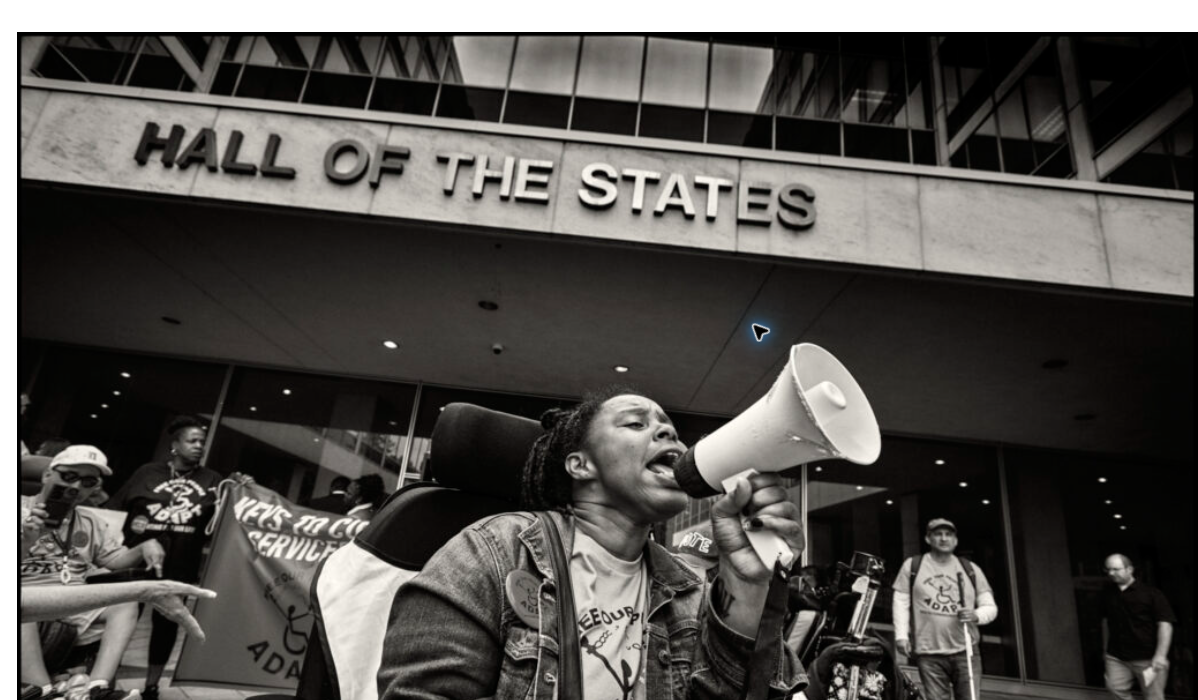
National ADAPT
National ADAPT is a grassroots network of disability-rights activists working for community living and the civil and human rights of disabled people through nonviolent direct action.
Explore National ADAPT ↗