

An emergency plan should protect your independence
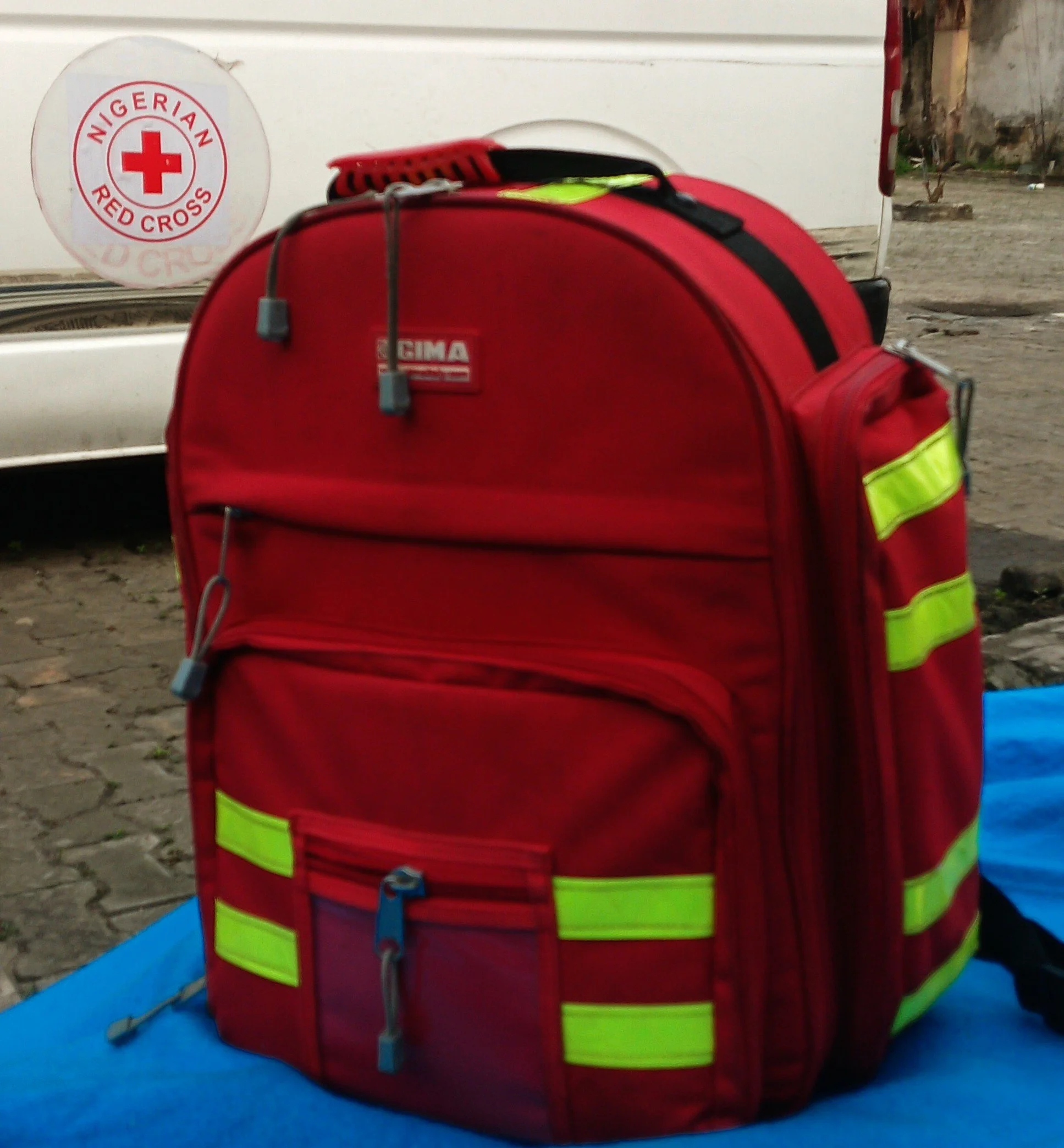
A bag by the door can help. But it can’t answer the question that matters: will this plan actually work for you?
This morning I raised the basics of disability-inclusive emergency preparedness. Here’s the fuller guide I promised. I want preparation to protect our choices and dignity, with practical details we can check before a stressful moment arrives.
This is evergreen planning information, not an emergency alert. Follow local officials for current conditions and instructions. Your medical team and equipment supplier should guide plans involving your treatment or devices.
Start with an ordinary day
Ready.gov’s disability preparedness tips begin with daily needs, a support network and transportation. That’s a useful starting point because a generic shopping list can miss the things that make your day possible.
Walk through your routine. How do you receive information, move around, communicate, eat and get assistance? Write down the steps that depend on electricity, a working elevator, a delivery or another person’s arrival. Those are the places where your plan needs a specific backup.
You don’t have to solve everything in one afternoon. Pick one unanswered question and make the call that moves it forward.
Give the support network an actual job
A contact list is useful; an agreed plan is better. Ready.gov recommends sharing the plan with your support network and identifying how you would evacuate safely.
Ask trusted people what they can realistically do. Who checks in? Who knows where essential supplies are? Who can help contact a provider if your usual way of communicating is disrupted? Include a backup contact rather than building everything around one person always being available.
If you use home-based care, NYC Emergency Management recommends involving caregivers and learning your agency’s emergency plan. That principle is worth bringing to your own provider wherever you live. Ask what happens if a worker can’t reach you, and record the answer.
Check the whole journey
“Someone can drive me” leaves a lot unanswered. Can that vehicle carry your mobility device? Can you reach it if the elevator is unavailable? Can the destination meet your access needs?
Ready.gov’s longer preparedness guide recommends practicing with the people who have agreed to help, and keeping equipment information available. A conversation about a wheelchair’s dimensions or operating instructions is more useful before anyone is under pressure.
Ask local emergency management about accessible evacuation and shelter arrangements in your area. Check routes, entry, toilets, communication support and device charging. Don’t assume another city’s program operates where you live. For example, New York City describes specific evacuation assistance during ordered coastal-storm evacuations; that is a local arrangement, not a nationwide promise.
Make the kit fit your needs
CDC recommends building around the items you actually use. Its disability-specific guidance includes communication aids, adaptive-equipment batteries or chargers, health documents, contact information protected from water, and supplies for pets or service animals.
It also recommends a week of prescription medication and provision for medication that needs refrigeration. Talk with your pharmacist or clinician about what you can obtain and how it should be stored. If extra supplies are out of reach, ask about a realistic alternative plan rather than treating the recommendation as a test you’ve failed.
Keep the kit somewhere you can reach. CDC recommends checking it every six months so the contents remain current and functional. A reminder on a calendar can turn that into a manageable routine.
Plan for communication and power
NYC Emergency Management recommends recording your preferred communication methods and considering alternatives such as written instructions or note cards. Choose what works for you. A short explanation of how to communicate with you can help when your usual device or service isn’t available.
For powered equipment, discuss a compatible backup and its limitations with the supplier. Ready.gov specifically calls for backup power options for assistive devices. Ask what you should do before that backup runs out; a battery is only one part of the plan.
Keep essential contact details and device instructions available in a format you can use even if your phone is unavailable. Share private information only with people who need it to support your plan.
Preparedness without blame
I don’t want a checklist to become an excuse to blame disabled people for inaccessible systems. A thoughtful personal plan matters. So do usable warnings, accessible transportation and places where people can actually stay safely.
Start small today: confirm one contact, check one essential item or ask one provider a concrete question. Preparation should give you more control—not another reason to feel that you have to manage every barrier alone.
Always keep it wheeling. Stay strong.
Sources
Ready.gov preparedness tips: https://www.ready.gov/sites/default/files/2023-05/ready.gov_disabilities_bookmark_front-back.pdf
Ready.gov detailed guide: https://www.ready.gov/sites/default/files/2020-03/preparing-makes-sense-for-people-with-disabilities.pdf
CDC, Building an Emergency Kit (September 11, 2024): https://www.cdc.gov/disability-emergency-preparedness/people-with-disabilities/build-a-kit.html
NYC Emergency Management, local guidance and planning examples: https://www.nyc.gov/site/em/ready/disabilities-access-functional-needs.page
Illustrative archival photograph: first-aid backpack, December 12, 2025. ABORISADEADETONA / Wikimedia Commons, CC0 1.0. Not a complete personal emergency kit or an endorsement. Source: https://commons.wikimedia.org/wiki/File:Standard_First_Aid_Kit_and_Essential_Emergency_Medical_Supplies_01.jpg License: https://creativecommons.org/publicdomain/zero/1.0/
