

A museum visit should start with curiosity, not guesswork
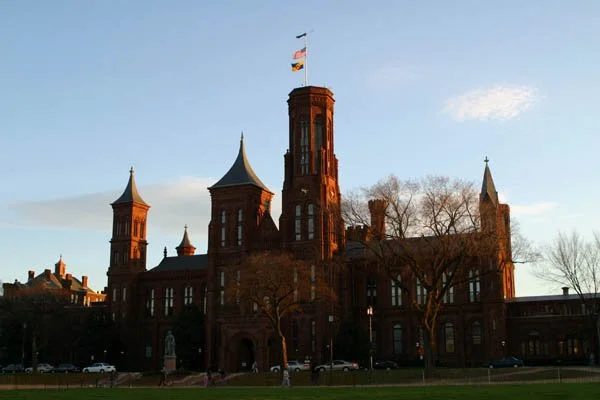
A museum visit should leave room for curiosity—not a last-minute scramble over access.
Today I’m looking at the Smithsonian’s visitor accessibility resources, including pre-visit materials such as sensory maps and social narratives. Its guidance also covers mobility access, captioning and ways to ask about support before arriving.
The useful part is getting specific: which entrance to use, what the sensory environment is like, and whether a program needs an advance request. One museum’s arrangements won’t answer every question about another.
At noon, I’ll share a practical guide to planning a visit with better information. Access belongs in the plan, so there’s more room to enjoy what you came to see.
Smithsonian guidance: https://www.si.edu/visit/accessibility
Archival Smithsonian Castle photo (2002): Thunk / Wikimedia Commons, public domain. https://commons.wikimedia.org/wiki/File:Smithsonian_Castle_front.jpg

Update: the full guide is now available. Read A museum day should leave room for curiosity.