

The freedom to read should come with a way through the door
September 25, 2026
A story can make room for a life that someone else has overlooked. It can also introduce us to a person whose experiences are nothing like our own. That’s part of what makes a library valuable: we don’t all have to arrive with the same background, questions or reading list.
This morning, I wrote that LGBTQ stories deserve room on the shelf. I want to follow that thought through. Keeping a book available matters. So does making sure people can find it, reach it and read it in a format that works for them.
A week to put reading in focus
Banned Books Week runs October 4–10, 2026. In its September 16 announcement, the American Library Association named Bess Kalb and Tony Weaver, Jr., as honorary chairs, joined by youth honorary chairs Marshall Romero and Azeemah Sadiq. The campaign’s theme is “Let Books Be. Protect the Freedom to Read.”
ALA’s announcement also describes LGBTQIA+ representation among the objections raised against Weaver’s graphic memoir, Weirdo. That is the association’s account of a particular removal, not a claim that every library has removed the book or that every challenge has the same motivation.
For me, the larger point is straightforward: a story about an LGBTQ person shouldn’t be treated as suspect simply because that person exists. Readers deserve the chance to encounter full human beings, with humor, ordinary problems, complicated families and lives beyond a controversy.
Start with what actually happened
The words matter. ALA distinguishes a challenge—an attempt to remove or restrict materials—from a ban, which is their removal. A complaint, a review and a final decision aren’t interchangeable. A national headline also doesn’t establish the status of a title at your own branch.
Before sharing a local claim, check the library’s catalog and any published decision or meeting record. Ask what changed, when it changed and whether access is still available elsewhere in the system. A missing search result is a reason to ask a question, not proof of censorship by itself.
That care makes a conversation more useful. We can disagree about a book while being precise about what an institution has done. We can also distinguish choosing something else for ourselves from trying to remove someone else’s opportunity to choose.
Source: https://www.ala.org/bbooks/aboutbannedbooks
Availability needs an accessible route
Here’s the disability-access piece I don’t want left outside the conversation. A title on a shelf is only one part of access. A reader might need an audiobook, large print, an accessible digital edition, assistance retrieving a book or a usable route into the building.
If you’re planning a reading group or library event, publish the practical details early. Describe the entrance, seating and restroom arrangements. Provide a contact for access questions. For online gatherings, check captions and keyboard navigation before people arrive. Don’t make someone disclose a diagnosis just to ask how participation works.
These are my recommendations for a welcoming event, not a claim that every library already offers every format or service. Ask staff what is available locally, what can be requested and what alternatives exist. Clear information is kinder than a cheerful promise nobody has checked.
Make one useful connection
The Banned Books Week Coalition designates October 10 as Let Freedom Read Day. Its suggestions include checking out a challenged book, writing a letter and volunteering at a library. You don’t have to organize a major event to take part.
Choose one manageable step. Ask a librarian for a recommendation beyond your usual reading. Invite a friend to a discussion and share the access information with the invitation. If you want to donate books, ask what the library needs and accepts before turning up with a box.
Source: https://bannedbooksweek.org/let-freedom-read-day/
I want a community where nobody has to prove their story deserves to exist, and where an invitation to read comes with a practical way to participate. Room on the shelf, room in the conversation, and a way through the door. That’s a welcome worth building.
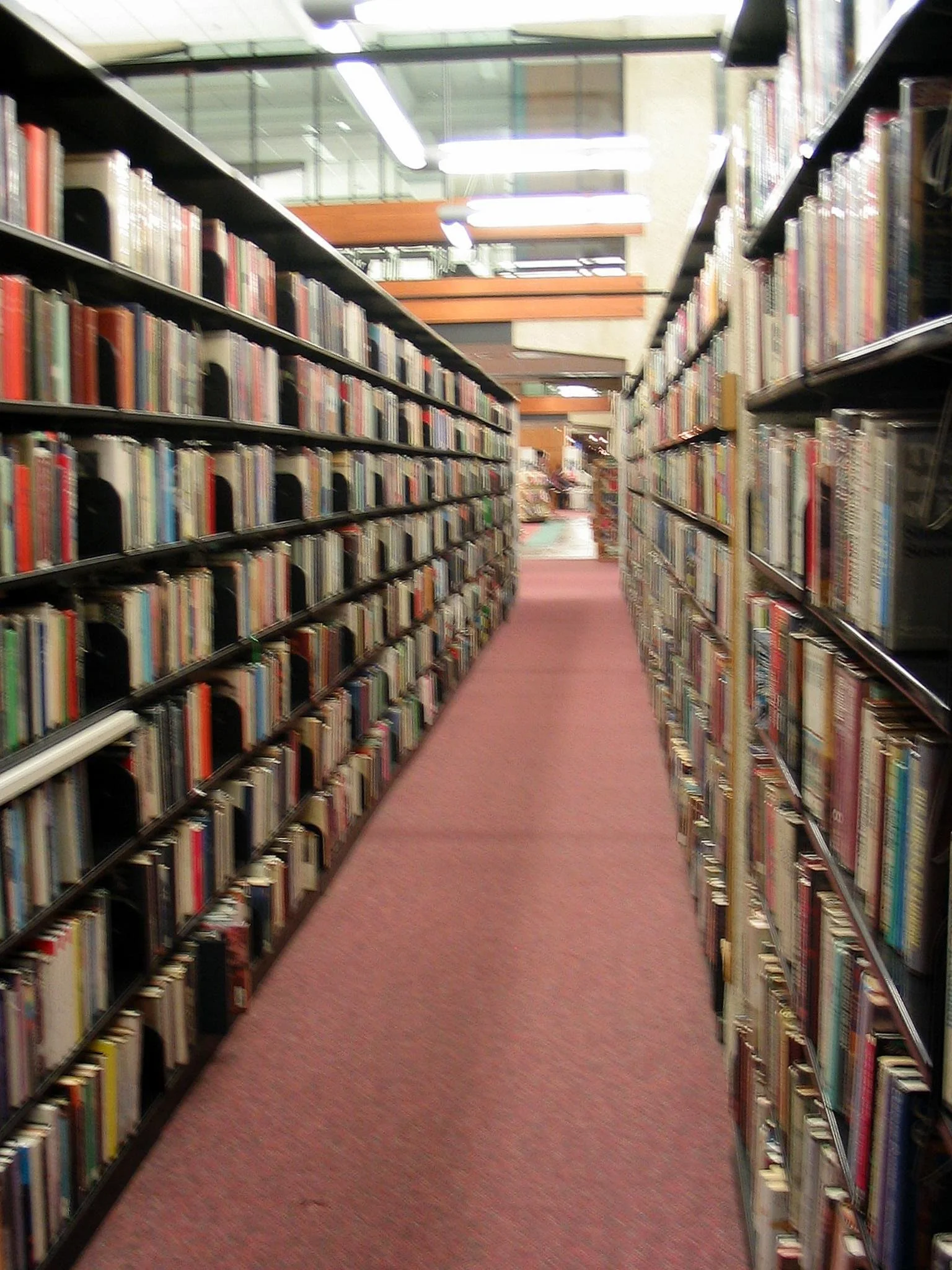
Archival contextual photo: Quadell, October 11, 2004, via Wikimedia Commons. CC BY-SA 3.0; any cropped displays under the same license. This is an illustrative library image, not a Banned Books Week event or a display of specifically challenged titles.
Photo/source: https://commons.wikimedia.org/wiki/File:Library_book_shelves.jpg
License: https://creativecommons.org/licenses/by-sa/3.0/
