

A new spending fight, an uncertain Iran deal, and the costs still reaching people
Saturday, September 26, 2026
Washington's latest spending fight comes with a basic accountability question: who gets to decide what happens to money Congress has already approved? Meanwhile, diplomacy over Iran remains unsettled, and Friday's drop in oil prices offers a mixed picture rather than a clean verdict on the economy.
Here's what changed, what the administration says, and where the evidence still leaves questions open.
Another fight over approved spending
President Donald Trump sought on Friday to withhold more than $800 million in congressionally approved funding, Reuters reported. The affected areas include refugee assistance, education, minority-business development and overseas conservation.
The White House describes its approach as a “pocket rescission” and argues that it is removing wasteful or harmful spending. Its September 25 announcement identifies $567 million associated with Health and Human Services programs serving refugees, asylees and other noncitizens. Those descriptions of the programs' value are the administration's position, not an independent finding that every funded service is wasteful.
Republican Senator Susan Collins, who chairs the Senate Appropriations Committee, called the move illegal and said it undermines Congress's constitutional spending authority, according to Reuters. That makes this a dispute within Trump's party as well as between the branches of government.
Reuters notes that the Supreme Court declined last year to block a similar $4.9 billion foreign-aid withholding while litigation continued. That procedural history should not be read as a final ruling approving this new package.
Sources: White House, September 25: https://www.whitehouse.gov/briefings-statements/2026/09/president-trump-takes-historic-action-to-eliminate-wasteful-and-harmful-spending/
Reuters, September 25: https://www.investing.com/news/economy-news/trump-seeks-to-withhold-800-million-in-congressapproved-funds-4918415
Iran: a proposal still isn't an agreement
Reuters reported Saturday that Iran was awaiting an official U.S. response to a proposal presented through Qatari mediators. Iranian Foreign Minister Abbas Araqchi said it could begin a seven-day process to reopen the Strait of Hormuz and pause regional fighting if accepted.
The proposed steps include lifting the U.S. blockade of Iranian ports, releasing frozen funds and waiving oil sanctions. They are proposed terms, not measures this report can confirm have taken effect.
The Wall Street Journal reported that Trump had rejected the offer, Reuters said. Reuters explicitly said it could not immediately confirm that report. An earlier U.S. official had described mediated discussions as “positive and constructive.” Both pieces of information belong in the picture; neither establishes a completed deal.
There is also a major nuclear-policy gap. A senior Iranian official told Reuters Iran would make no concessions on enrichment or sending its highly enriched uranium abroad. The potential for de-escalation is meaningful, but implementation remains unproven.
Source: Reuters, September 26: https://95kqds.com/2026/09/25/iran-awaits-us-move-after-wsj-report-says-trump-rejects-peace-plan/
Oil finished Friday lower
Brent settled September 25 at $104.32 a barrel, down 2.1%, while U.S. West Texas Intermediate settled at $92.41, down 2.3%, according to Reuters. The report linked the decline to truce hopes and discussion of a possible U.S. diesel-export ban, alongside continuing concern about Houthi attacks on Saudi Arabia.
The weekly results diverged: Brent rose by less than 1%, while WTI fell about 8%. These are Friday's market settlements, not Saturday trading prices. A lower daily close is useful context, but it doesn't establish that household costs have fallen by the same amount or that supply risks have disappeared.
Source: Reuters, September 25: https://www.marketscreener.com/news/oil-prices-slide-about-2-as-us-iran-explore-path-out-of-war-ce785adfd180f425
Gaza's needs extend beyond diplomatic announcements
The UN humanitarian office's September 18 situation report, published September 21, provides dated context rather than a new Saturday casualty update. It described shortages of machinery, fuel and spare parts that constrain rescue work and repairs to damaged buildings.
OCHA also reported that two temporary waste-disposal sites had closed after exceeding capacity, and linked restrictions on access to Gaza's landfills near the Green Line to growing public-health risks. It identified some help: a $2 million humanitarian allocation and a 1.5 million-litre fuel grant to support essential services. It also said more funding and approvals for sustainable solutions were needed.
That combination matters: assistance can make a real difference while remaining insufficient. For people living through damaged housing, disrupted services and regional conflict, the test is what actually reaches them. Announcements deserve scrutiny; verified improvements deserve recognition.
Source: OCHA, report dated September 18: https://www.ochaopt.org/content/humanitarian-situation-report-18-september-2026
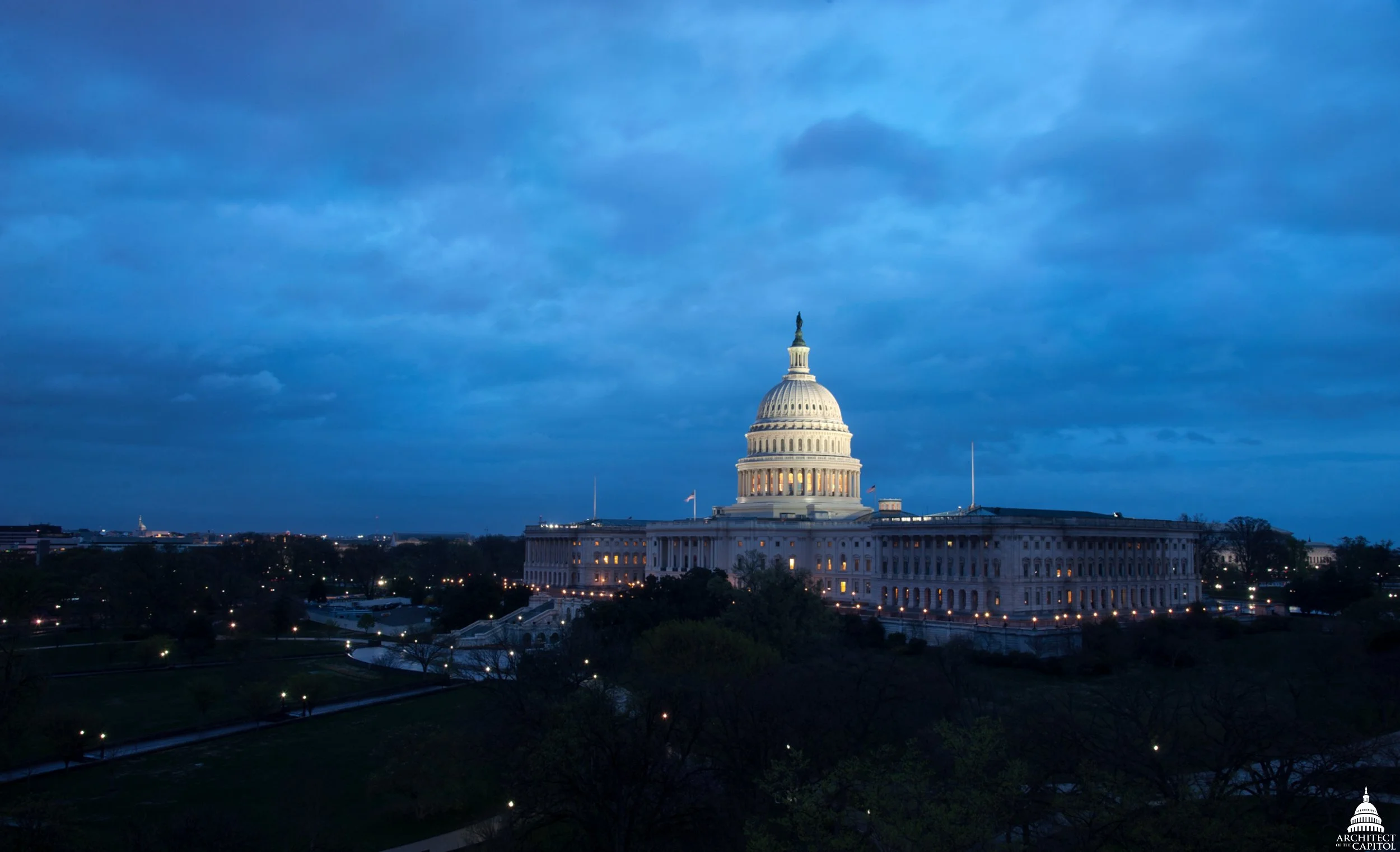
Archival contextual photo: Architect of the Capitol, April 15, 2014, public domain. Source and rights: https://commons.wikimedia.org/wiki/File:Capitol_West_Front_April_15,_2014_(14136352332).jpg . No endorsement implied.
.jpg)