

You don’t need a perfect speech to find support
September 20, 2026
Reaching out can start with a half-written email. You type a greeting, delete it, then wonder whether your question is too basic. Maybe you’re LGBTQ+ and looking for people who understand. Maybe someone you love has come out, and you want to listen without making every conversation about your own uncertainty.
You don’t need to arrive with the right vocabulary or your whole life neatly explained. You can start by finding out what a group offers. This morning I mentioned PFLAG’s directories. Here’s a practical way to use them, with access and privacy in the picture from the beginning.
Start with a real contact
PFLAG’s chapter finder lets you search by ZIP code. Its meeting directory also has a virtual filter, alongside topics such as support, education, parents-only groups, youth, and transgender or gender-expansive support. Those labels can help narrow a search. They don’t tell you everything about a particular meeting.
Open the listing and check the organizer’s current information. Confirm the date, time zone, registration process and who the session is intended for. Ask whether there’s a fee or membership requirement. A directory listing is a starting point, not a promise that every meeting follows the same rules.
Ask whether the room fits your needs
A parent looking for guidance may need a different conversation from an LGBTQ+ person looking for peer connection. Neither has to squeeze into the wrong room. Ask who usually attends, whether there’s a facilitator, and whether newcomers can listen before speaking.
You can keep the first message short: “Hi, I’m interested in your next support meeting. Who is it for, and what should a first-time attendee expect?” Add only what you’re comfortable sharing. You don’t owe a stranger a detailed personal history just to ask about a meeting.
Access belongs in that first conversation
“Accessible” is a useful word only when it comes with details. For an in-person meeting, you might ask about the route from parking or transit, steps at the entrance, the bathroom, seating and space to move around. A building can have an accessible entrance while the actual meeting room presents a problem.
For an online meeting, ask about captions, the platform, joining by phone, and whether keeping your camera off is allowed. If you use assistive technology, ask whether someone can help you check the joining process beforehand. These are suggested questions, not claims that every PFLAG meeting provides these options.
Choose the questions that matter to you. You shouldn’t have to apologize for needing to hear, enter, participate or take a break. Clear answers help you decide whether a session is workable before you spend the energy getting there.
Privacy deserves a plain answer
Before sharing something personal, ask how the group handles confidentiality. Are meetings recorded? Are screenshots permitted? Who can see registration details or the participant list? What name will appear on screen? Can you receive meeting information without being added to a public group?
A confidentiality rule tells people how they’re expected to behave; it cannot guarantee what every participant will do. Let the organizer explain the policy, then decide what you want to disclose. If you’re joining from a shared space, think about who could overhear or see your screen.
Give yourself room to try again
You might leave a first meeting feeling understood. You might feel unsure. One awkward session doesn’t settle whether support is for you. It’s reasonable to ask about another format, a different group or a quieter way to connect.
You can also bring one small goal: learn when the next meeting happens, ask one question, or simply listen if the group allows it. Connection doesn’t have to happen all at once.
My starting point is simple: useful support should make room for the person who actually shows up, including their access needs and boundaries. Pick a listing, send one question, and see whether the answer helps. That’s enough for a first step.
Always keep it wheeling. Stay strong.
Resources checked September 20, 2026. This is an evergreen community guide, not breaking news. Meeting details and availability should be confirmed with the organizer.
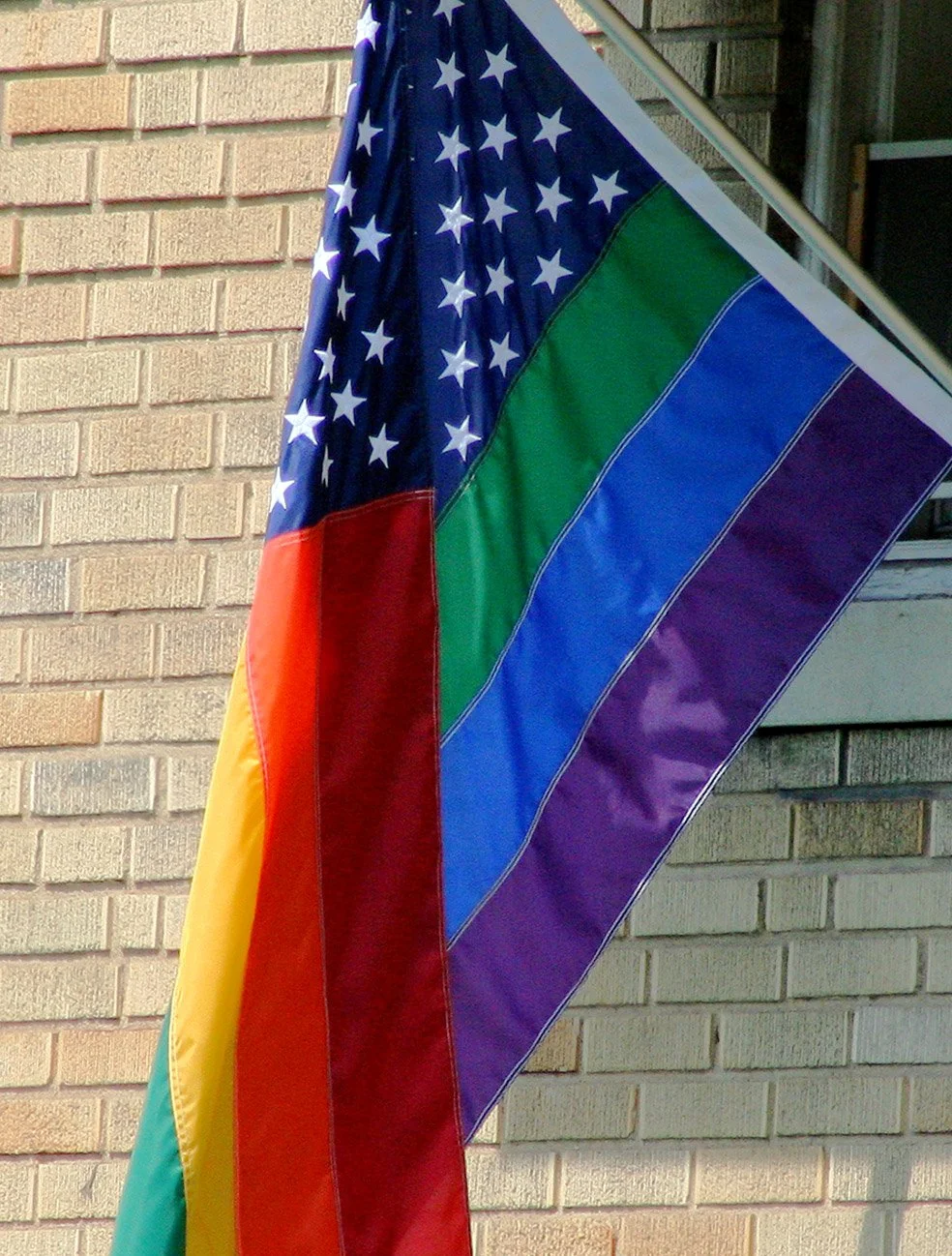
Illustrative archival photo: “The Rainbow Flag, GLBT Pride,” dbking, 2006. Photo source; CC BY 2.0. Layout crops may apply. This is not a photograph of a PFLAG meeting.
