

Washington this Sunday: inflation, Iran diplomacy and fuel for Gaza
September 20, 2026
This Sunday’s update brings together the latest available reporting on household costs, the Iran war and aid for Gaza. Some developments happened earlier this week; their dates are included so a fresh headline doesn’t make an older announcement sound new.
The economy: growth and inflation together
In its September 16 statement, the Federal Reserve raised its target interest-rate range by a quarter percentage point, to 3.75–4 percent. The vote was unanimous. The Fed described economic activity as expanding solidly, with resilient domestic spending, strong productivity and robust investment. It also said inflation remained elevated. That combination matters: growth and pressure on prices can exist at the same time. Source: Federal Reserve.
AP’s reporting today describes Trump’s renewed criticism of the rate increase and economists’ view that broader economic conditions also shape longer-term borrowing costs. The central bank’s rate decision should be distinguished from the president’s preferred policy. Source: AP, September 20.
Iran and the wider Middle East
Reuters reported on September 16 that Trump hoped the war with Iran was nearing its end. The same report said Axios expected him to meet Gulf leaders or foreign ministers during the UN General Assembly. That meeting report relied on unnamed sources, and Reuters said the White House and State Department had not responded to its requests for comment. An expected meeting is not a completed agreement. Source: Reuters.
The report also connected the war to higher oil and gasoline prices. AP’s Sunday coverage examines motorists’ frustration with fuel costs and Trump’s defense of those costs as a consequence of the conflict. Neither report establishes a date when household fuel bills will fall. Source: AP, September 20.
Israel and Gaza: a specific aid commitment
UNOPS announced on September 18 that Qatar had agreed to fund delivery of about 1.3 million litres of fuel for Gaza. The agency said the fuel would support hospitals, medical centres and essential civilian infrastructure, with funding shortfalls threatening critical services. This is a Qatar-funded UNOPS operation; the announcement does not identify it as a Trump administration initiative. It describes an agreement and intended delivery, rather than confirming that all the fuel has already arrived. Source: UNOPS.
The distinction is practical. Announcing funding, moving supplies across a border and keeping a hospital running are separate steps. This update does not establish a new Israel–Gaza settlement or a change in Israeli access policy.
On the diplomatic calendar
AP reported today that Trump is preparing to host Chinese President Xi Jinping at a state dinner on Thursday. Its account describes warmer public language from Trump toward Xi than during his first presidential campaign. The planned visit is a development to follow; it does not by itself establish a new trade agreement. Source: AP, September 20.
The next updates will distinguish confirmed decisions from plans: any published diplomatic agreements, new economic releases, and verified progress in aid delivery. The links above let readers check the original reporting and agency statements directly.
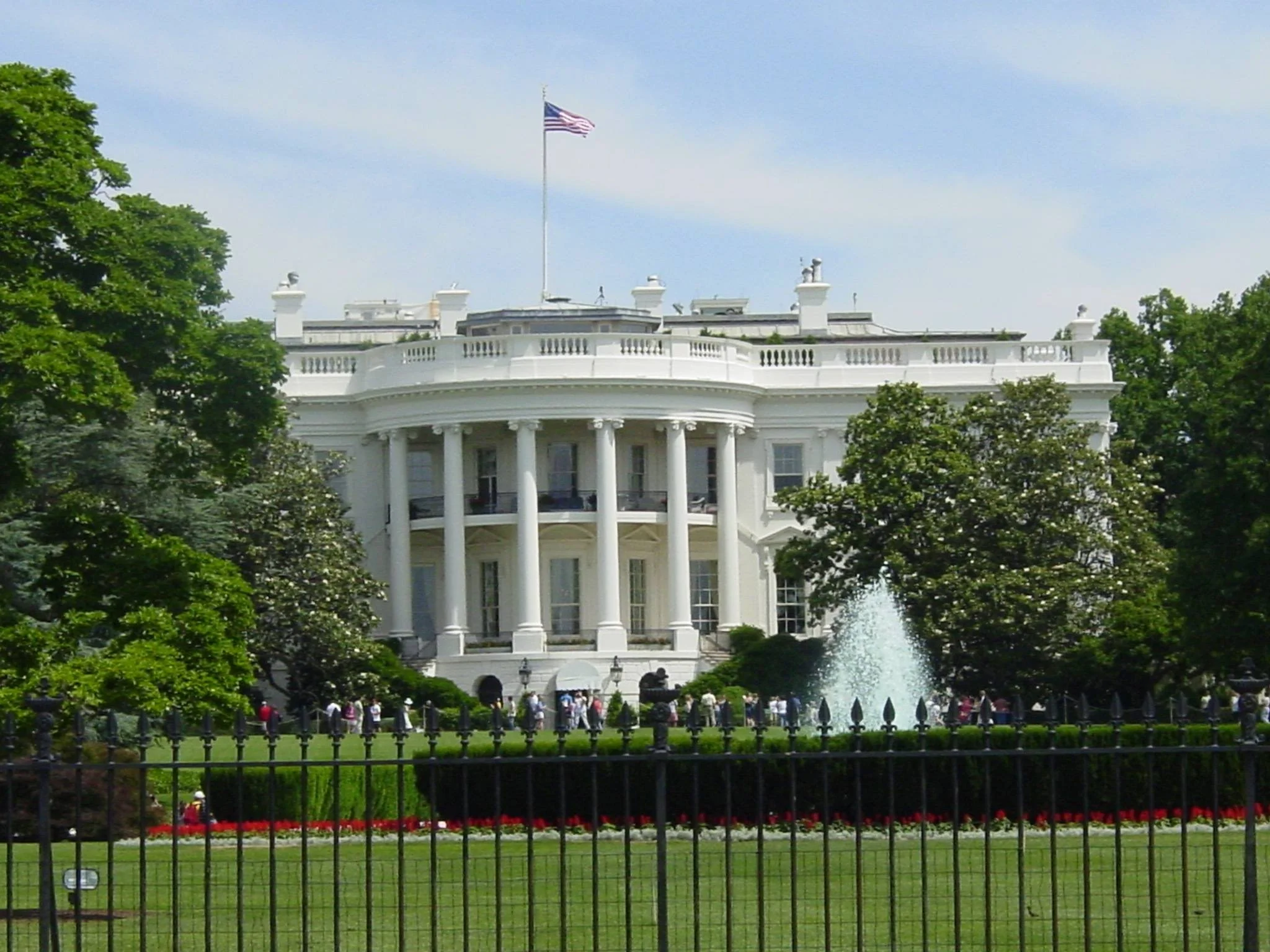
Photo: archival July 2010 White House view, U.S. National Park Service. Public domain in the United States; illustrative, not a photograph of today’s events. Photo source and rights.
.JPG)