

Washington Monday: markets ease, Iran threats continue, and UN talks approach
September 21, 2026 — morning update
There’s a difference between a better morning on the markets and a lasting change in household costs. Today’s developments include some financial relief, renewed threats over Iran and a week of diplomatic meetings. Here’s what has been reported, with plans kept separate from completed results.
The economy: an early market rebound
AP reported that the S&P 500 was up 0.6% at 9:35 a.m. Eastern, while Brent crude fell 3.1% to $100.62 a barrel. The 10-year Treasury yield eased to 4.96% from 5.01% late Friday. These are intraday readings, not closing prices. AP connected the improved mood partly to hopes for diplomatic progress, while noting continued disruption to Middle East oil supplies. Read AP’s market report.
A daily market move does not establish that an administration’s policies caused the change. It also does not tell us what a particular household will pay at the pump or when borrowing costs will change. Those are separate measures to follow.
Iran and the wider Middle East
Reuters reported on September 20 that Washington and Tehran exchanged fresh threats. According to Reuters’ account of a Fox News reporter’s conversation with Trump, the president warned of economic or military consequences if Iran did not reach a deal, while also indicating openness to meeting Iranian President Masoud Pezeshkian. Iran’s military threatened retaliation against a fresh attack. Read the Reuters report.
The same report described the conflict as stalled and spreading into further regional escalation. Threats, expressions of willingness to meet and an actual negotiated agreement are different developments. This report does not establish that a meeting has been arranged or that either side has accepted a settlement.
Israel and Gaza at the United Nations
AP reports that Benjamin Netanyahu is scheduled to address the General Assembly Thursday. Mahmoud Abbas is expected to speak by video that day after the United States refused him a visa. Trump is scheduled to speak Tuesday. These are reported plans for the week, not speeches already delivered. Read AP’s UN preview.
Attendance and speeches should not be confused with changes on the ground. The diplomatic schedule alone does not establish a new ceasefire, an aid-access agreement or a change in Israeli military operations. Any such development needs its own confirmation, including the terms and who has accepted them.
China talks and an AI proposal
Treasury Secretary Scott Bessent said Sunday that the United States proposed a notification system for artificial-intelligence incidents affecting national security during talks with Chinese Vice Premier He Lifeng. AP describes the proposal as part of discussions ahead of this week’s Trump–Xi meetings. A proposal is not yet an implemented joint system. Read AP’s account.
For the next update, the useful evidence will be published agreements, confirmed meeting outcomes and changes in actual conditions. Announcements can identify an administration’s intentions; follow-through tells us what has happened. The linked reporting lets readers check those distinctions directly.
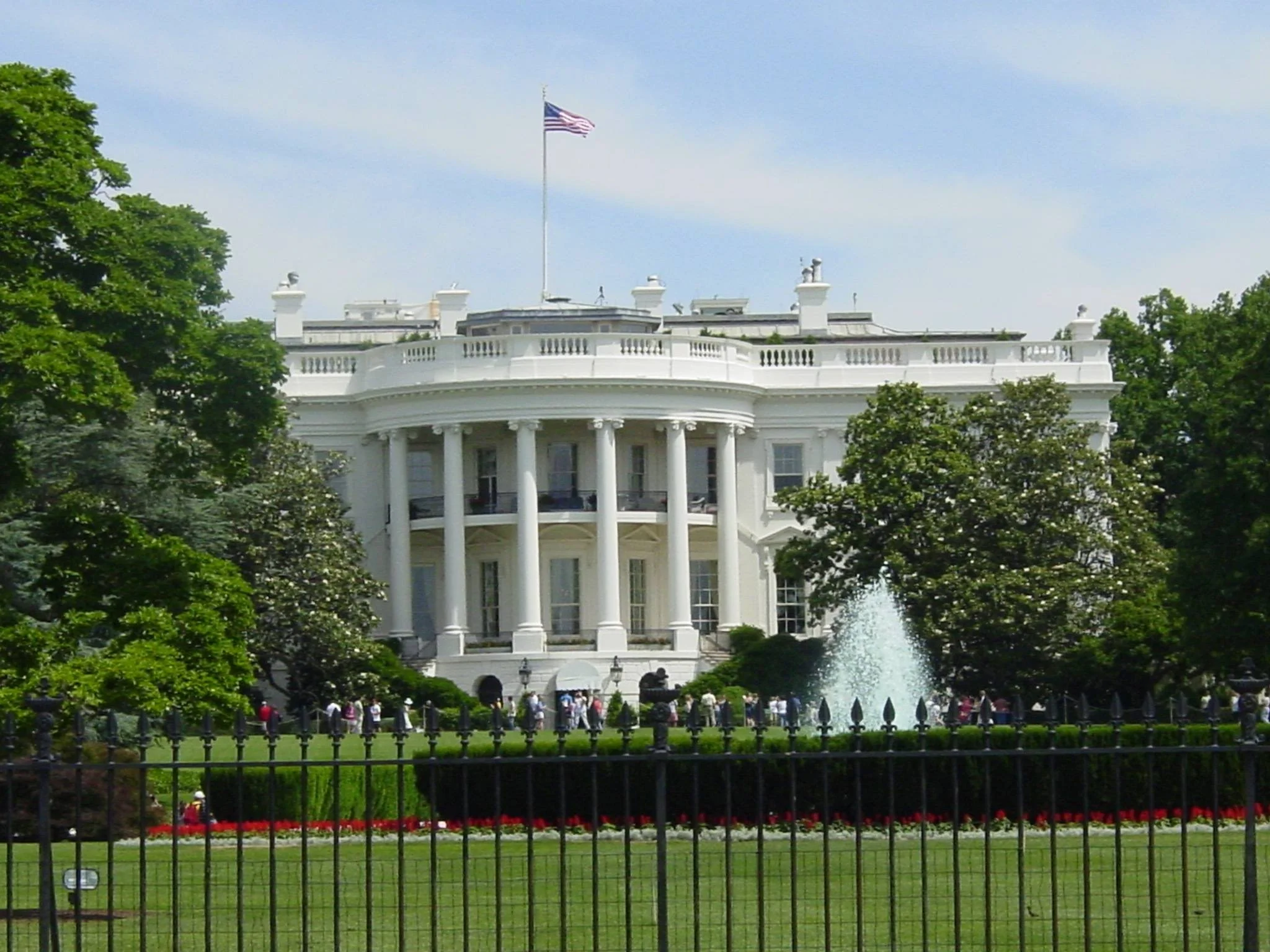
Illustrative archival photograph: White House south facade, July 2010, U.S. National Park Service. Public domain in the United States; not a photograph of today’s events. Photo source and rights.
.JPG)