

Trump’s Washington: higher rates, a Medicaid pricing push, and an unfinished war
September 19, 2026
There’s a lot to keep straight in Washington this weekend: higher interest rates, a new Medicaid drug-pricing announcement, and a war whose consequences keep reaching beyond the battlefield. Here’s what’s been reported, what the administration is claiming, and what still needs watching.
The economy: inflation is still a problem
On September 16, the Federal Reserve voted unanimously to raise its benchmark rate by a quarter of a percentage point, to a range of 3.75%–4%. Its statement said inflation remained elevated. It also described solid economic growth, resilient spending, strong productivity and little change in unemployment. Both sides of that picture matter: the economy can keep growing while people struggle with prices.
That was Wednesday’s decision, not a new announcement today. Read the Fed’s statement.
Reuters reported that Trump criticized the increase and called for much lower rates. The Fed makes the rate decision; the president’s preference is a separate matter. For anyone trying to make sense of the argument, watch actual inflation and borrowing costs alongside the political statements. Reuters’s September 16 report.
A Medicaid announcement worth following
CMS said Friday that all 50 states, Washington, D.C., and Puerto Rico had applied to its GENEROUS prescription-drug pricing model. Forty states and Puerto Rico had already signed participation agreements; remaining states have until September 30 to sign.
The model uses supplemental manufacturer rebates to bring net Medicaid prices for participating drugs toward international prices. CMS estimates $64.3 billion in taxpayer savings over ten years. That is the agency’s projection, not savings already counted.
Lower drug spending would be a welcome result. The details still deserve attention: which drugs participate, what states implement, and whether people can get the medicines they need. Applying to a program does not mean every prescription suddenly costs less. CMS’s September 18 announcement.
Iran and the wider Middle East
Reuters’s September 18 analysis described an ongoing conflict, interference with oil shipments through the Strait of Hormuz, and growing pressure around a Red Sea shipping chokepoint involving the Houthis. These routes matter far beyond the region because disruption can affect the movement of energy and other goods.
The White House told Reuters that Trump had achieved his objectives and that sanctions and the U.S. maritime blockade were damaging Iran’s economy. That is the administration’s account. It should appear alongside reporting on the continuing fighting and disruption, rather than being treated as proof that the conflict is over. Reuters’s analysis.
There is some less dire economic context, too. AP reported today that oil prices remained volatile but the worst early forecasts had not come to pass, and examined China’s energy strategy as part of the explanation. That is useful context, though it does not erase the war’s costs. AP’s September 19 report.
Israel, Gaza and diplomacy
AP reported September 16 that the administration had denied visas to a high-level Palestinian delegation for the United Nations General Assembly for a second consecutive year. The report placed the decision in the context of the close U.S. relationship with Israel and the Gaza war. This is an earlier diplomatic development, not a new ceasefire or an agreement on humanitarian aid. AP’s report, carried by KXL.
What’s next
AP reported Friday that the White House said Trump would meet acting Venezuelan President Delcy Rodríguez in New York the following week. For now, that is a planned meeting; any agreement or outcome needs its own reporting. AP’s September 18 report.
My take: accountability means checking results. Give a useful policy credit when the evidence supports it, challenge claims that run ahead of the facts, and keep asking what changes for people living with the consequences.
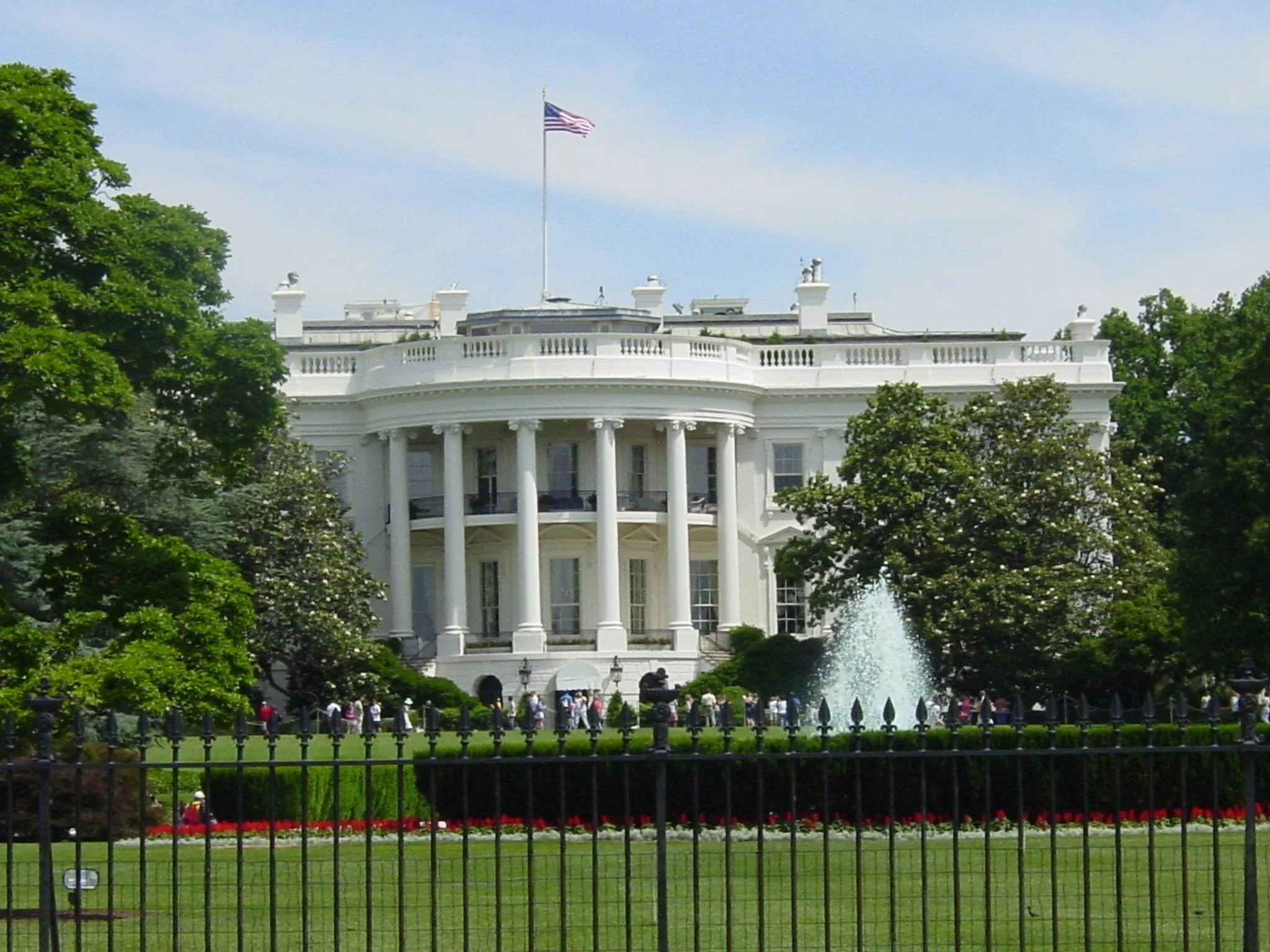
Photo: The White House, July 2010. U.S. National Park Service, public domain. Archival illustration; not a photograph of today’s events. Source and reuse information.
.JPG)