

A good book shouldn’t be out of reach
A story you can’t put down. A biography that keeps you up past bedtime. Something funny after a long day. Disabled readers deserve all of that, in a format that actually works for them.
This morning I mentioned a free resource worth knowing about: the Library of Congress’s National Library Service for the Blind and Print Disabled, usually called NLS. Here’s the practical follow-up—who it serves, how to get started, and why you don’t have to be comfortable with apps to use it.
Who can use it?
According to the NLS overview, U.S. residents and American citizens living abroad may qualify when a temporary or permanent visual, physical, perceptual, or reading disability prevents them from reading or using regular print.
That includes more than blindness. Difficulty physically handling a printed book can matter, too. The service’s name can leave people thinking it couldn’t possibly be for them. It’s worth checking the actual criteria instead of ruling yourself out.
Eligibility needs certification. The official FAQ lists several kinds of professionals who can certify, including doctors, registered nurses, therapists, educators, social workers, and librarians. Ask the library which person and form make sense for your application. You don’t need to post your diagnosis in a comment section to find out.
Start with a library, not a shopping list
The simplest first step is to contact the NLS network library serving your area. The NLS overview has a Find Your Library link, or you can call 888-657-7323 and follow the prompts to reach the library in your state.
You could say: “A disability makes regular print difficult for me to use. Can you help me check eligibility and apply for NLS?” That’s enough to start the conversation. Ask what documentation is needed, where to send it, and what happens after it’s received.
If paperwork is a barrier, say so. A useful next step is one you can actually complete. If you’re helping someone else, let them choose how much help they want and what they want to read.
Books can come through the mail
You don’t have to buy a tablet or become an app expert. NLS’s program overview describes physical reading materials and playback equipment sent through postage-free mail. Equipment is available on long-term loan for using NLS materials.
Ask your library about mailed talking books, braille materials, and the equipment that fits your needs. Explain any difficulty with buttons, hearing, or handling devices so you can discuss the available options.
That choice matters. An online-only solution isn’t much of a solution when the connection is unreliable or the device is difficult to use.
Prefer your phone? Ask about BARD
BARD stands for Braille and Audio Reading Download. The official getting-started page says to enroll as an NLS patron first, then contact your network library to sign up for BARD.
BARD Mobile is a free app for supported mobile devices. Windows users can also ask about BARD Express, which supports listening on a PC. Electronic braille requires a refreshable braille display; NLS says displays can be borrowed, so check with your library before spending money.
Choose the route you’ll enjoy using. Downloading may suit one reader; mailed materials may suit another. There’s no prize for picking the most complicated setup.
Reading for pleasure counts
The BARD collection includes mysteries, romances, classics, books for young readers, and materials in different languages. Ask about the authors and subjects you already love. You don’t have to turn every reading session into homework or self-improvement.
For today, keep it manageable: save the official information, contact the library, and ask about one format you’d like to try. Share this with someone who might find it useful, without assuming what they can or can’t do.
Accessible reading is about having choices. Sometimes the choice is simply which book to enjoy next.
Resource guide checked September 19, 2026. This is an existing service, not a newly announced program.
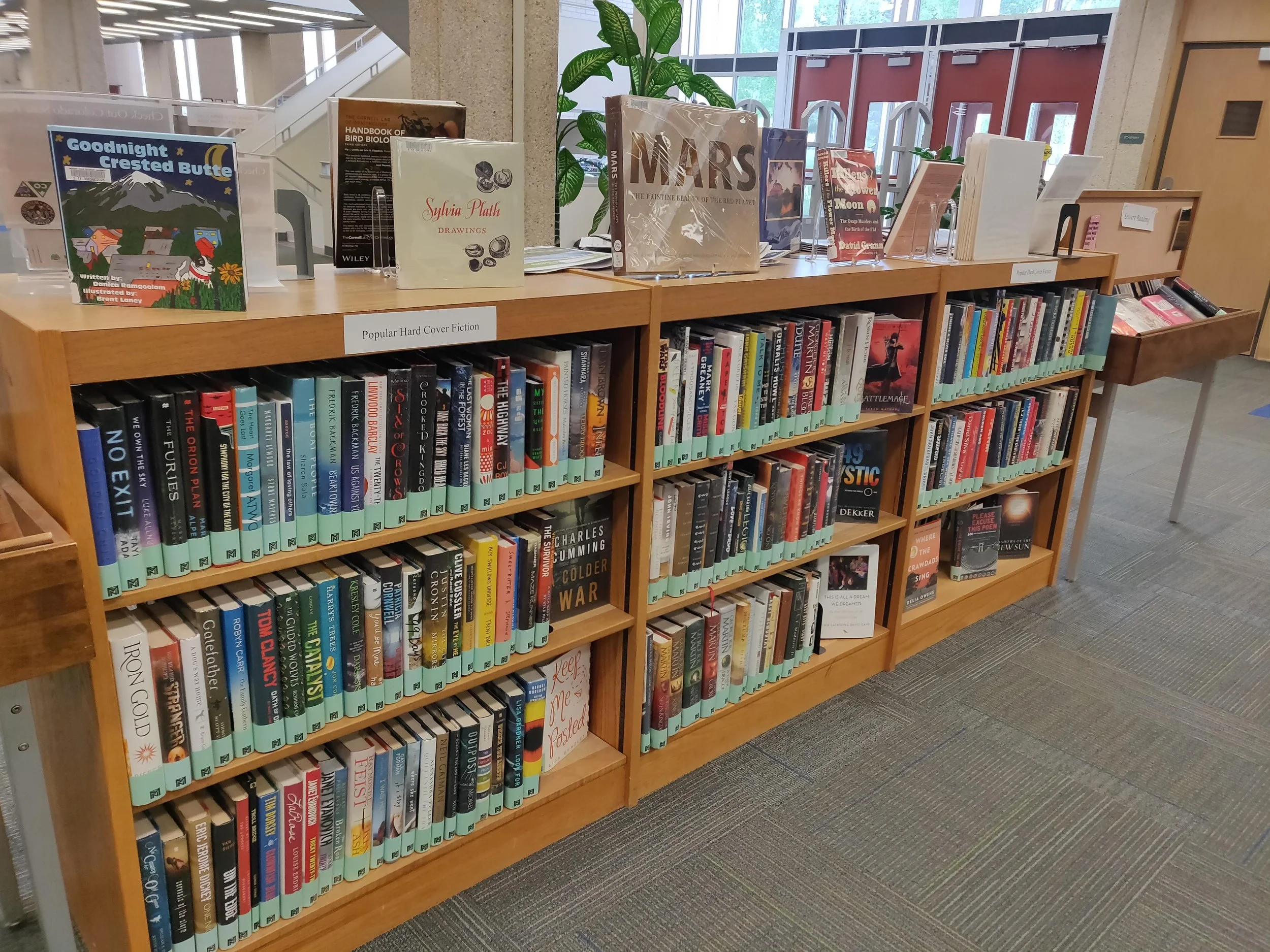
Illustrative library photo, June 2019: Mshuang2 / Wikimedia Commons, CC0. Not an NLS facility or a claim that pictured titles are available through NLS. Photo source.
