

Washington Friday: oil eases, Iran talks remain unsettled, and Gaza needs care
September 25, 2026
Washington’s Friday headlines offer some room for cautious optimism, but plenty still needs proving. Oil prices eased in morning trading as markets weighed prospects for a U.S.–Iran truce. President Donald Trump’s summit with Chinese President Xi Jinping kept major powers talking. Neither development, on its own, establishes a finished agreement or lasting relief for households.
Lower oil prices, with the risks still there
Reuters reported Brent crude at $105.26 a barrel, down 1.3%, and U.S. West Texas Intermediate at $92.78, down 1.9%, at 8:15 a.m. Eastern Friday. Those are a morning snapshot, not closing prices or gasoline prices at the pump.
The report linked the decline to hopes for a truce with Iran, even as Houthi attacks on Saudi Arabia raised supply concerns. Lower oil prices can ease pressure on transportation and production costs, but a single trading session cannot tell us what families will pay next month. Supply, refining, distribution and other costs also matter.
Iran diplomacy is a possibility, not a completed deal
In reporting published Thursday, Reuters said U.S. and Iranian negotiators in New York were exploring a phased arrangement: Iran would reopen the Strait of Hormuz while Washington would lift its economic blockade. The account relied on sources close to the talks. It described negotiations, not a signed settlement.
The central difficulty is the sequence. Each side wants relief without giving up its bargaining position first. That makes the details—what happens first, how compliance is checked, and what happens if either side pulls back—more important than optimistic headlines.
Continued talks are a constructive development. They also need to produce something measurable before the administration can reasonably claim the problem is solved. For people trying to plan a household or business budget, uncertainty itself carries a cost.
The China summit: engagement and unresolved questions
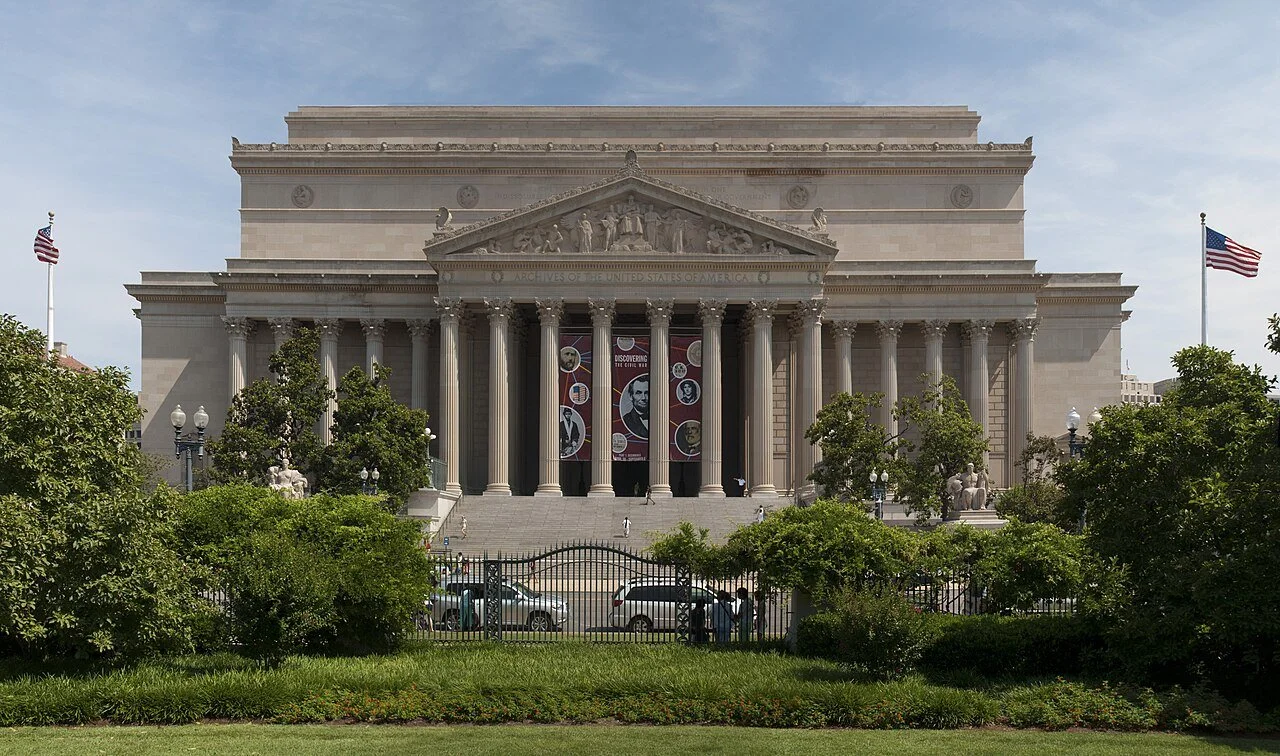
Reuters reported Friday that Trump planned to take Xi to the National Archives after Thursday’s White House summit. Trump highlighted what he described as better market access for American farmers and ranchers, and both leaders identified artificial intelligence as an area for cooperation.
The same report found no sign of major breakthroughs. Senate Democrats criticized the summit’s results and Trump’s public handling of Taiwan. Those are attributed political assessments; they are not a substitute for examining the agreements themselves.
Keeping communication open between the two countries has value. The practical test is whether commitments turn into implemented changes that exporters, workers and consumers can identify. A ceremonial visit can support diplomacy, but it cannot answer those questions by itself.
Gaza’s health emergency continues
At a September 24 UN General Assembly side event, WHO’s director-general said only 19 of Gaza’s 36 hospitals were functioning even partially, with none fully functioning. WHO described severe shortages of medicines, equipment and fuel, and called for sustained humanitarian access and expanded medical evacuations.
The agency also reported approximately 12,400 medical evacuations since October 2023. That is meaningful assistance, alongside the continuing need for specialized care that is unavailable locally. Both realities belong in the story.
These are WHO’s assessments from Thursday, not a new independent count by this publication. They show why reporting on Israel and Gaza has to look beyond diplomatic announcements to whether care and supplies actually reach people. They do not, by themselves, assign every failure to a single government.
I’m keeping the same standard across these stories: acknowledge progress where it is documented, identify what remains uncertain, and judge public promises against practical results. Lower prices, workable agreements and access to care matter much more than the photo opportunity.
Archival contextual photo: David Samuel, May 19, 2010, National Archives Building, Washington, D.C. CC BY-SA 3.0; cropped displays under the same license. This is not a photograph of today’s visit.
Photo/source: https://commons.wikimedia.org/wiki/File:US_National_Archives_Building.jpg
License: https://creativecommons.org/licenses/by-sa/3.0/
