

A good theatre night needs more than an accessibility symbol
October 3, 2026 | Mr. Wheels
The best part of a theatre trip should be the show. The anticipation. The conversation afterward. The song that follows you home. Finding out whether you can reach your seat or follow the dialogue shouldn't swallow the whole evening.
This morning, I highlighted Theatre Access NYC. Here's the fuller guide I promised: a way to turn an accessibility listing into useful questions before you spend money. This is an evergreen planning resource, not a breaking-news announcement or a guarantee about any particular venue.
Start with the performance, not just the building
Theatre Access NYC, created by TDF and The Broadway League, gathers information about accessible theatre options on Broadway and beyond. Its listings include wheelchair seating, paths of travel, ticket options and services that help people follow a performance.
My practical starting point is simple: write down the show, theatre, date and curtain time together. Then check the service you need against that exact performance. Save the listing and the box office contact. A useful answer should let you make a decision, rather than send you through another round of guessing.
If a listing is unclear, ask a specific question: “Is captioning available for this performance on this date?” That's easier to resolve than “Is the theatre accessible?” Accessibility includes several different things, and one yes cannot answer all of them.
Ask about the whole route to your seat
For wheelchair seating or a route without stairs, I'd make a short route checklist: arrival point, entrance, ticket collection, seat location, restroom and exit. Ask whether the planned route includes any steps and whether a lift or elevator is needed. If it is, ask how to check its availability before leaving home.
Describe the arrangement you need without feeling obliged to tell your whole medical history. For example: “I need to remain in my wheelchair, and I'd like my companion beside me.” Ask where that space is, what the view is like and how the companion ticket is booked. If you are considering a transfer seat, confirm what transferring would involve before choosing it.
Those are planning questions, not a claim that every theatre offers the same setup. Clear answers help you decide whether a particular outing works for you.
Choose the service that helps you follow the show
The site's guide to access symbols distinguishes open captions visible to the audience from captions on a handheld device. It also explains assistive listening, hearing loops, ASL interpretation and live or recorded audio description. These aren't interchangeable services.
Ask how the specific service works at your performance. Do you collect a device? Where? Is there a recommended arrival time? Can you check it before the lights go down? If you're using your own equipment, ask about compatibility rather than assuming it will connect.
For captions or an interpreter, ask about the sightline from the seat you're considering. For audio description, ask how to receive it and whether any introductory information happens before curtain. A service can be listed, but the details still matter to the person using it.
Leave room for sensory needs and changes
Theatre Access NYC describes autism-friendly performances as making adjustments such as reducing jarring sounds or audience-facing strobes; quiet or activity areas may also be available. Check the individual performance instead of assuming that label promises every adjustment you want.
Useful questions include whether there is a quiet space, what the re-entry arrangements are, and where to find information about sound or lighting effects. You get to decide which details matter for your own comfort. Nobody else needs to rank your needs against another person's.
Before paying, ask about the ticket policy if the access service you booked for becomes unavailable. Save the response with your confirmation. My suggested final check is brief: exact performance, confirmed service, route, contact person and a way home. Share the practical details with anyone coming along so one person isn't carrying all the planning.
The goal is a night out
I want venues to make this information easy to find, specific and usable. Planning tools help, but disabled people shouldn't have to become detectives to enjoy a performance. “Contact us” works better when somebody can answer the actual question.
Use the resource, ask what you need to ask, and keep the plan focused on your enjoyment. Dignity includes being able to choose an ordinary evening of entertainment with confidence. The story onstage deserves your attention. Getting through the door shouldn't be the main plot.
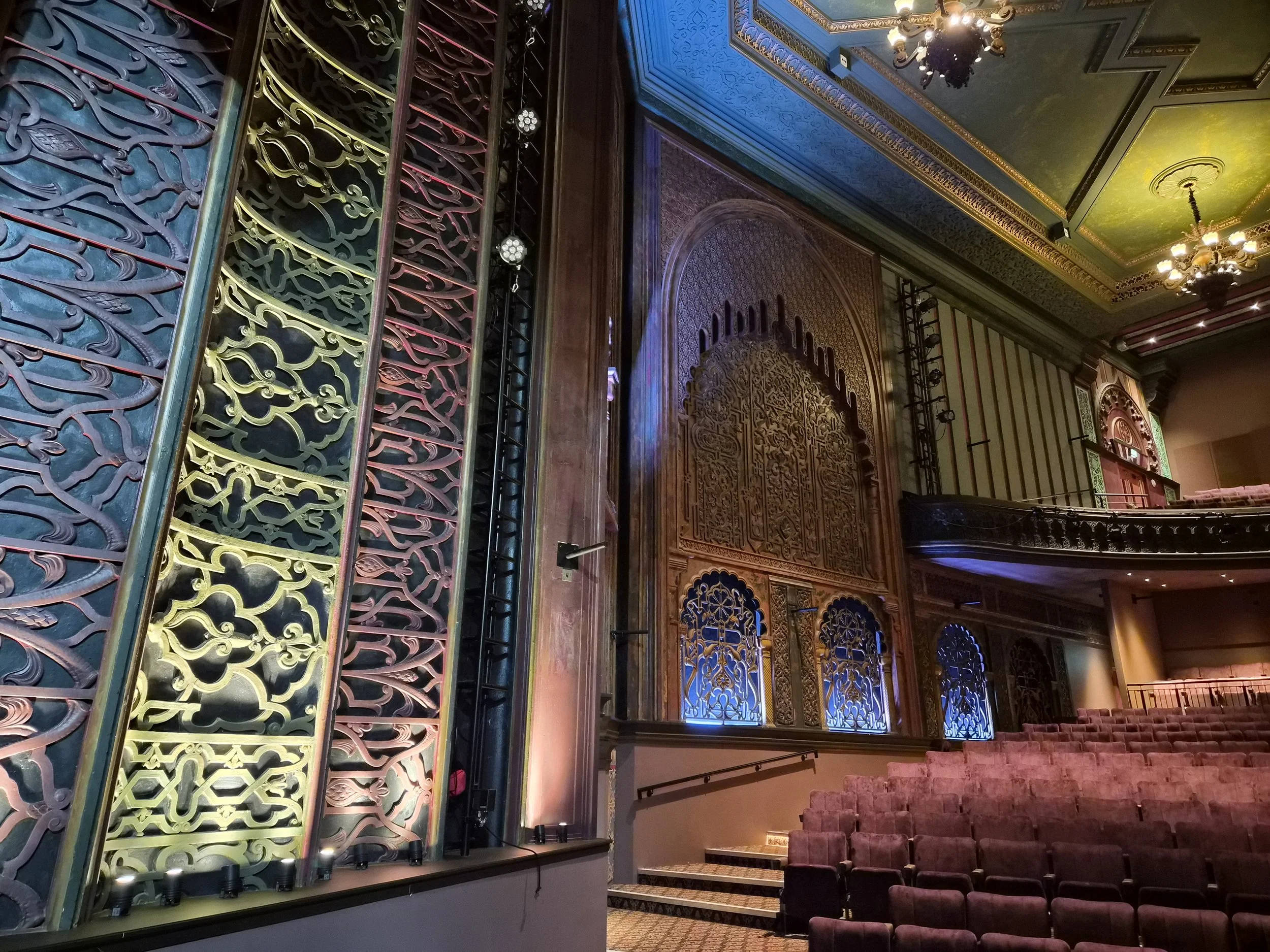
Photo: Diomedes1962, Soho Theatre Walthamstow auditorium, January 10, 2026. Archival illustration in London, not a New York venue or an accessibility certification. Source, CC0 public-domain dedication. Platform crops may apply.
