

The Access Pass helps with the fee. I still want the details.
I want disability access to include the good parts of life: a change of scenery, time with people we love, and the chance to enjoy a place without spending the whole visit solving avoidable problems. Getting outdoors belongs in that conversation.
This morning, I introduced the federal Access Pass. Here’s the practical follow-through. The pass can reduce a financial barrier, but planning an outing takes more than finding the word “accessible” on a website. I want information that helps people decide for themselves whether a visit will work.
Start with eligibility, not assumptions
The National Park Service says the Access Pass is available to U.S. citizens or residents of any age with a medically determined permanent disability that severely limits one or more major life activities. A 100-percent disability rating isn’t required.
NPS lists a valid photo ID and qualifying disability documentation. Options include a signed physician’s letter explaining permanence, substantial daily-life limitations and their nature, or qualifying federal or state agency documentation. Check the agency’s exact requirements before applying. A disability parking placard alone is not accepted, according to USGS.
I’d rather people know what to bring before making the trip. Nobody needs an avoidable second journey because an important requirement was buried in fine print.
NPS eligibility and documentation: https://www.nps.gov/subjects/accessibility/interagency-access-pass.htm
Free pass, different ways to get it
In-person pickup at a participating federal recreation location is an option. NPS also points to a physical pass ordered through USGS and a digital Access Pass through Recreation.gov. For mailed physical passes, NPS recommends allowing at least three weeks; an order receipt doesn’t replace the pass.
The pass itself is free and lasts a lifetime. Ordering through USGS currently carries a $5 processing fee plus $7.50 handling. Check the current official ordering screen before paying; don’t assume every delivery method costs the same.
My advice is to choose the route that fits your access needs and timing. If you want in-person service, confirm the issuing location and its hours first. If you prefer a digital option, start from the official NPS link and review what you’ll need to present on arrival.
Know what the pass actually covers
USGS says the pass covers entrance or standard day-use fees at participating federal recreation sites. At per-vehicle locations, it covers the pass holder and passengers in a noncommercial vehicle. At per-person locations, it covers the holder and three other adults; children under 16 enter free.
It isn’t a blanket pass for state or local parks. Some expanded amenities, including certain camping or tour fees, may receive discounts, but rules vary. Don’t budget on the assumption that every campsite, transport service or extra activity will be free.
USGS pass details, fees and benefits: https://store.usgs.gov/frequent-questions
The questions I want answered before a visit
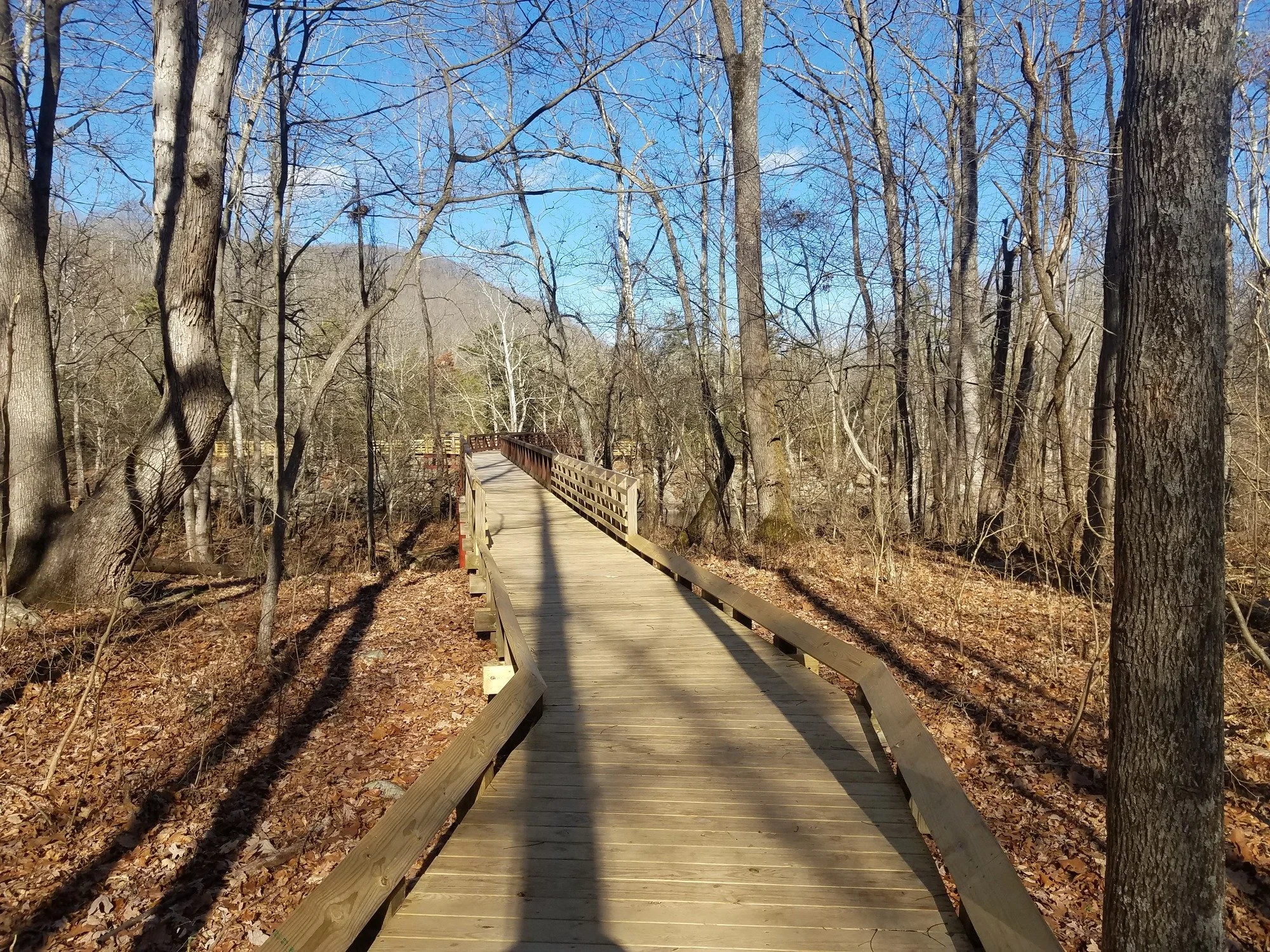
For me, useful planning starts with specifics. Instead of stopping at “Is it accessible?”, I’d ask about the route from parking to the actual place I want to reach. What surface is it? How steep is it? Are there steps, narrow sections or places to rest? What’s the distance each way?
I’d also ask whether the restroom I’m counting on is open, what its access features are, and whether construction or seasonal closures affect the route. If a shuttle is part of the trip, I’d want its boarding information before arriving. For an exhibit or guided activity, I’d check the communication supports available and how to request them.
Those are planning suggestions, not a promise that a particular park has every feature. The answers need to come from the destination’s current information and staff. A beautiful photograph—especially an archival one—can’t confirm today’s conditions.
I also want room for different kinds of outings. A short visit to an overlook can be the whole plan. So can a visitor-center exhibit or a quiet picnic. Enjoying the outdoors shouldn’t come with pressure to prove how far you can go.
The Access Pass is worth understanding because cost matters. Clear access information matters, too. I want both: help getting through the entrance and enough honest detail to decide what comes next.
Photo: Sandstone Falls boardwalk, New River Gorge, December 31, 2019. NPS / Dave Bieri, public domain. Archival illustration, not a statement of current trail conditions.
Photo source and rights: https://npgallery.nps.gov/AssetDetail/75d47689-7313-4e9a-995e-5fbfb41a76b1