

Fewer layoffs, higher oil prices, and an unresolved war
Washington starts October with a mixed picture. New unemployment claims have edged down, offering an encouraging sign about layoffs. Oil prices have climbed again. And reporting from the Middle East points to both continued diplomatic efforts and the danger of a wider conflict.
Those developments deserve to be considered together. A favorable economic indicator doesn’t settle every question about living costs, and a diplomatic opening isn’t the same as an agreement. Here’s what the evidence available Thursday morning shows about the challenges facing President Donald Trump’s administration.
A better signal on layoffs
The Labor Department’s October 1 release put seasonally adjusted initial unemployment claims at 197,000 for the week ending September 26. That was 1,000 fewer than the previous week’s revised figure. The four-week average also declined, to 200,000.
That’s welcome news for a measure that helps track layoffs. It should be reported plainly, even when other parts of the economic picture are difficult. The smoother four-week average also moved in the same direction as the weekly number.
But these are unemployment insurance claims, not a complete accounting of hiring, wages or household affordability. One weekly release can’t establish that a president’s policies caused the change. The useful question is whether this improvement persists alongside opportunities for people who are looking for work.
Source: https://www.dol.gov/sites/dolgov/files/OPA/newsreleases/ui-claims/20261543.pdf
Oil puts pressure on that picture
Reuters reported Thursday that December Brent crude futures reached $100.09 a barrel at 08:29 GMT, up 2.1% from Wednesday’s close. U.S. West Texas Intermediate was $92.48, up 2.28%. These are a timestamped market snapshot, not a promise about the price when you read this.
The report linked the rise to China’s suspension of oil-product exports, with four people briefed on the matter describing restrictions beyond Hong Kong and Macau. That adds another constraint to markets already disrupted by the U.S.-Iran war.
There are competing forces here. An earlier Reuters report noted recovering Gulf exports, resumed Saudi tanker loadings at Yanbu and an increase in U.S. inventories. Prices had fallen earlier Thursday before reversing. It’s a reminder that energy markets respond to several countries’ decisions and changing supply expectations—not just statements from Washington.
Sources: https://live.euronext.com/en/financial-news/oil-prices-rise-2-china-suspends-fuel-exports
Iran: contingency plans aren’t a final decision
Reuters reported October 1 that Iranian officials are preparing for a broader response if the United States resumes large-scale attacks. Its account cited three senior Iranian officials and an insider. The reported planning included potential targets beyond U.S. assets.
The distinction matters: Reuters reported that no final decision had been made. Iran’s Foreign Ministry did not immediately respond to its request for comment. These are attributed accounts of preparations, not proof that every contemplated action will happen.
Diplomacy remains part of the picture, too. Reuters described an Iranian proposal conveyed through Qatar during last week’s United Nations gathering that could involve reopening the Strait of Hormuz and halting attacks if accepted. A proposal offers a possible route forward; it doesn’t establish that the parties have agreed to one.
Gaza’s human cost remains part of the story
In reporting dated September 30, Reuters said Israeli strikes killed at least seven Palestinians in Gaza, citing local health officials. The Israeli military said one strike targeted a Hamas militant planning attacks against its forces.
Those accounts should be attributed accurately. A military explanation and a reported death toll answer different questions; neither, by itself, resolves every question about the people killed or the circumstances of each strike. Civilian safety remains an essential measure of any diplomatic effort’s results.
Source: https://gvwire.com/2026/09/30/israeli-strikes-kill-seven-people-in-gaza-medics-report/
The funding date to keep straight
The new fiscal year begins with a temporary funding law already in place. The White House’s September 2 signing announcement says Trump signed H.R. 6500, providing fiscal 2027 appropriations through December 11 and extending several program authorities.
That is useful continuity, but it is temporary. September’s signature should not be presented as something that happened today, and a stopgap should not be confused with a completed long-term budget.
The overall picture calls for measured accountability: recognize the improvement in claims, track whether energy pressures ease, and judge diplomacy by verified agreements and conditions on the ground. People need clear information about what has changed—and what remains unsettled.
Source: https://www.whitehouse.gov/briefings-statements/2026/09/congressional-bill-h-r-6500-signed-into-law/
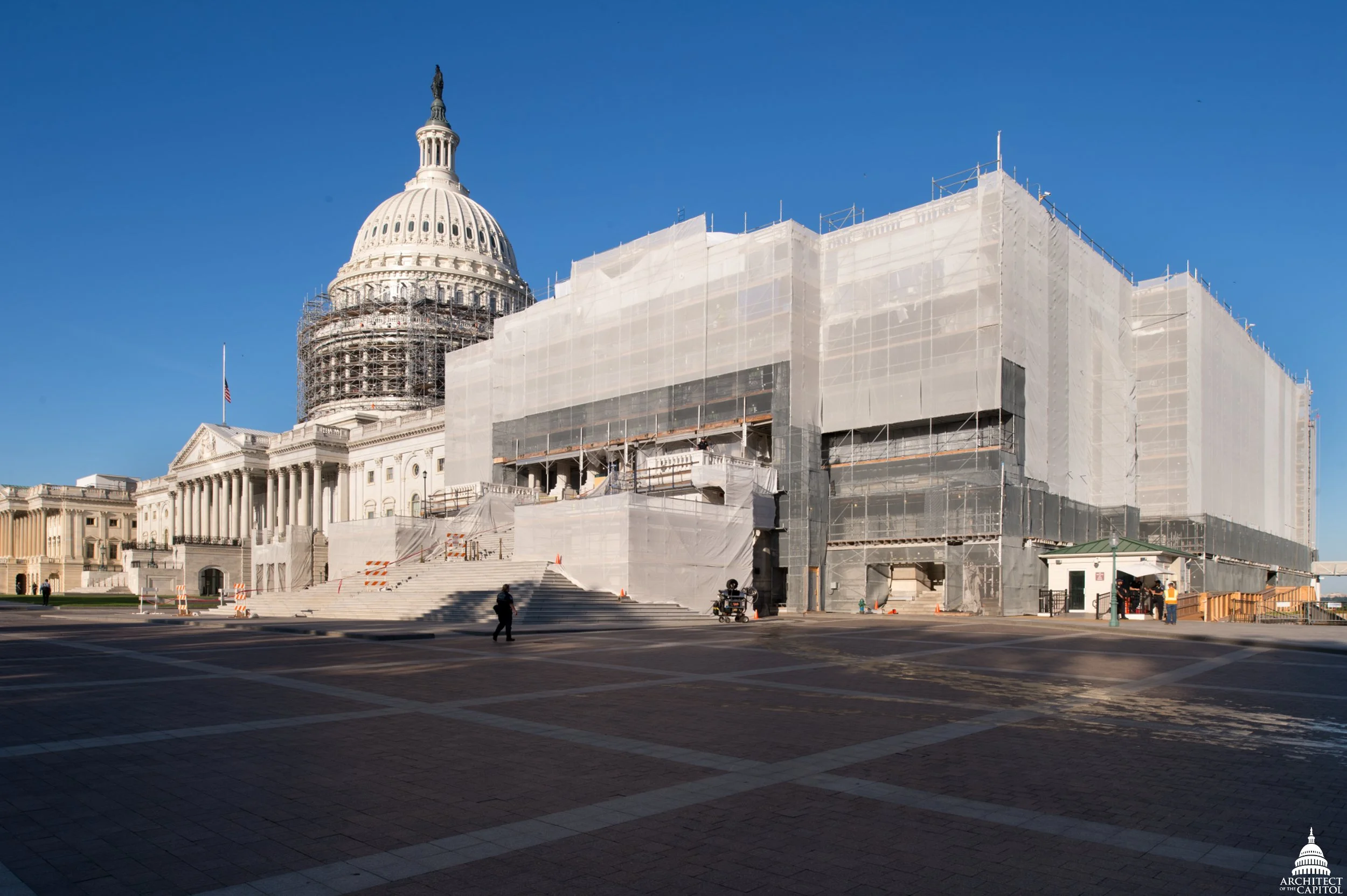
Photo: Architect of the Capitol / USCapitol, archival 2016 photograph, public domain in the United States. It shows preservation work, not a current event.
Photo source and reuse information: https://commons.wikimedia.org/wiki/File:U.S._Capitol_-_July_11,_2016_(27973459184).jpg
.jpg)